


Electric Bike or Moped? A Side-by-Side Comparison to Simplify Your Decision
Whether you’re looking to zip through traffic, enjoy leisurely rides, or shrink your carbon footprint, the choice between an electric bike and a moped can feel surprisingly tricky. Both have their merits, quirks, and limitations, and your decision often depends on lifestyle, preferences, and priorities. So, let’s roll up our sleeves and dig into the features, benefits, and nitty-gritty details to help you find your perfect ride.
What Makes an Electric Bike Unique?
Electric bikes, or e-bikes, are essentially bicycles enhanced with an electric motor and a battery. They come in a variety of styles, from sporty mountain bikes to city cruisers, and cater to an equally wide range of needs.
Pedal Power Meets Motor Assist:
E-bikes give you the option to pedal manually or rely on motor assistance. Most e-bikes feature pedal-assist systems (PAS), where the motor activates as you pedal, giving you a boost. Some models also include a throttle, allowing you to cruise without pedaling—a handy feature when tackling long distances or steep hills.
Speed and Range:
E-bikes are generally designed for moderate speeds, usually topping out at 20-28 mph depending on the class. Their battery range can vary from 20 to 100 miles per charge, depending on factors like motor power, terrain, rider weight, and how much you rely on pedal assistance versus manual effort.
Lightweight and Agile:
Compared to mopeds, e-bikes are significantly lighter, making them easier to store, carry upstairs, or mount on a bike rack. This is especially handy if your commute involves mixed modes of transport, like hopping on a train or bus.
Exercise on Your Terms:
One of the greatest perks of e-bikes is the flexibility to combine physical activity with convenience. Use motor assistance to conquer inclines or power through fatigue, then switch back to manual pedaling for a solid workout.
Maintenance and Repairs:
Since they’re built like traditional bicycles, many components are relatively simple and affordable to repair. However, the battery and motor systems may require specialized care, so factor that into your long-term maintenance plans.
The Appeal of Mopeds
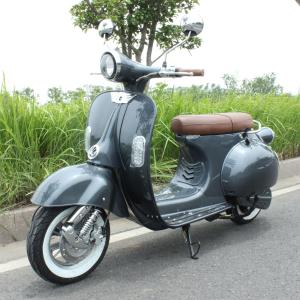
Mopeds bridge the gap between bicycles and motorcycles, offering a motorized ride with no pedaling required. They’re equipped with a small engine or electric motor, making them a compelling choice for those who prioritize speed and ease.
All About the Throttle:
Unlike e-bikes, mopeds don’t require pedaling. Simply twist the throttle, and off you go! This can be a major draw for anyone who values effortless mobility or needs to conserve physical energy.
Speed and Power:
Mopeds typically reach higher speeds than e-bikes, with many models capable of 30-40 mph or more. This makes them ideal for longer commutes or routes with higher speed limits, where an e-bike might struggle to keep up.
Range and Charging:
Electric mopeds often boast a longer range compared to e-bikes, thanks to their larger batteries. However, this also means longer charging times. Gas-powered mopeds, while less eco-friendly, offer the convenience of quick refueling at any gas station.
Heavier Build:
Mopeds are bulkier and heavier than e-bikes, which can make them challenging to maneuver in tight spaces or store in compact areas. On the flip side, their sturdy frames and larger wheels often translate to a smoother, more stable ride.
Licensing and Insurance:
Most mopeds require a license to operate, and in many places, insurance is mandatory. This adds extra steps and costs to ownership, so be sure to check your local regulations before making a purchase.
Head-to-Head Comparison
Let’s break it down into key categories to make the decision-making process easier.
Speed:
Electric bikes typically reach speeds of 20-28 mph, while mopeds can go faster, usually 30-40 mph or more.
Range:
E-bikes have a range of 20-100 miles on a single charge, depending on usage. Mopeds generally offer a similar or longer range, often exceeding 40 miles.
Weight:
E-bikes are lighter, usually between 30-60 lbs, while mopeds are heavier, ranging from 100-200 lbs.
Licensing:
Most e-bikes don’t require a license in many areas, but mopeds typically do, along with registration and insurance.
Storage:
E-bikes are compact and easier to store or transport, whereas mopeds are bulkier and heavier, requiring more space.
Eco-Friendliness:
E-bikes are entirely electric and can be pedaled manually, making them more eco-friendly. Mopeds vary, as they can be either electric or gas-powered.
Cost:
E-bikes generally have lower upfront and maintenance costs. Mopeds often come with a higher initial price and may have additional upkeep expenses like fuel or insurance.
Ease of Use:
E-bikes offer pedal-assist and manual riding options, while mopeds are fully motorized for effortless travel.
Practical Scenarios: Which One Fits Your Lifestyle?
Here are some common scenarios to help you visualize how each option might align with your needs.
The Urban Commuter:
If your daily travels involve navigating busy streets, frequent stops, and short distances, an e-bike is likely your best bet. Its agility and ability to switch between motor and pedal power make it perfect for city life. Bonus: you can often use bike lanes, avoiding traffic altogether.
The Long-Distance Traveler:
For those with longer commutes or routes with higher speed limits, a moped might be the more practical choice. Its greater speed and range allow you to cover more ground without breaking a sweat.
Storage Challenges:
If space is at a premium—think small apartments or crowded bike racks—an e-bike’s compact size and lighter weight will be a lifesaver. Mopeds, while sturdier, can be cumbersome to store and transport.
Fitness Goals:
Want to incorporate exercise into your routine? An e-bike offers the perfect balance, letting you pedal as much or as little as you like. Mopeds, on the other hand, are purely motorized, so they won’t do much for your cardio.
Environmental Impact:
Both options are eco-friendly compared to cars, but e-bikes have the edge when it comes to reducing emissions. If sustainability is a top priority, the ability to pedal manually gives e-bikes an extra green star.
Cost Considerations
Upfront Investment:
E-bikes generally cost less than mopeds, though high-end models with advanced features can blur the line. Mopeds, especially gas-powered ones, often come with a higher price tag.
Operating Costs:
E-bikes are incredibly cheap to operate—charging the battery costs just a few cents, and maintenance is minimal. Mopeds, particularly gas models, involve fuel costs, regular oil changes, and possibly higher insurance premiums.
Long-Term Value:
Both options offer great long-term savings compared to owning a car, but an e-bike’s lower maintenance requirements might give it a slight edge in terms of overall affordability.
Legal and Safety Considerations
Before you hit the road, familiarize yourself with local laws. Many places treat e-bikes like traditional bicycles, which means fewer restrictions. Mopeds, however, often require registration, insurance, and adherence to specific traffic rules.
Safety gear is non-negotiable for both options. Helmets are essential, and for mopeds, additional gear like gloves and reinforced jackets might be worth considering. Always prioritize visibility with lights and reflective elements, especially for nighttime rides.
Which Ride is Right for You?
Choosing between an electric bike and a moped boils down to your lifestyle, priorities, and how you plan to use your ride. If you value versatility, fitness, and ease of use, an e-bike is a fantastic choice. But if speed, effortless mobility, and longer range are your main concerns, a moped might be the way to go.
Whichever you choose, both options represent a step toward greener, more efficient transportation. So, take your time, weigh the pros and cons, and most importantly—enjoy the journey!