

Electric Bike Sparks: Causes, Safety Tips, and When to Worry
It happens in a split second.
You plug in your electric bike for a charge or adjust a connection, and suddenly there’s a spark. Your heart skips a beat, and you wonder—was that normal or a sign of something more concerning? Understanding the causes of electric bike sparks and knowing when to take action can be the difference between safe riding and unnecessary risk.
Let’s break it down, demystify the science behind those sparks, and explore how you can ride confidently without worrying about your bike’s electrical system.
Why Do Electric Bike Sparks Happen?
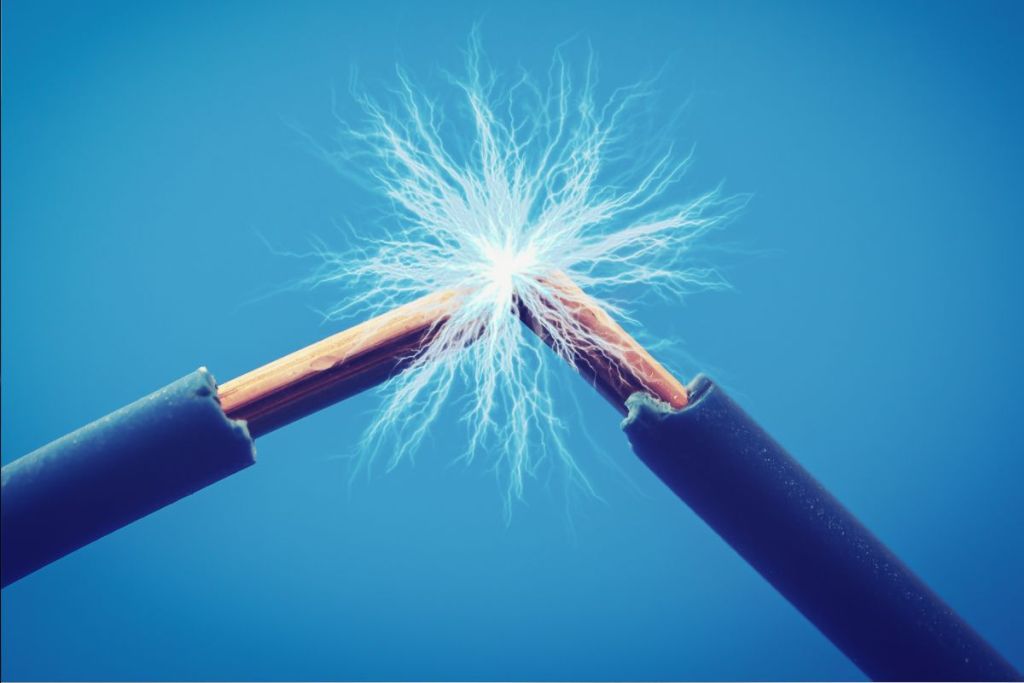
A spark might seem dramatic, but at its core, it’s a natural result of electrical systems in action. To explain, when two points of an electrical circuit make contact, there’s often a momentary surge of electrons jumping the gap. That’s your spark. In the case of electric bikes, sparks usually occur during these scenarios:
Connecting the Charger to the Battery
The most common source of sparks on an e-bike happens when you plug in your charger. As the metal connectors of the charger and battery touch, the circuit completes, allowing electricity to flow. The initial burst of current can create a spark, especially if the charger isn’t designed to limit the inrush of electricity.
Faulty Wiring or Loose Connections
Over time, wiring in your bike might loosen or degrade due to vibrations, wear and tear, or exposure to moisture. These imperfections can lead to small, repeated discharges or sparks.
Battery Age or Damage
Lithium-ion batteries are robust but not invincible. If your e-bike battery has physical damage or internal cell degradation, it might spark under certain conditions. Damaged cells can short-circuit internally, leading to visible sparks or more serious issues like overheating.
Dirty or Corroded Connectors
Dust, grime, and corrosion can disrupt the smooth flow of electricity between your e-bike’s components. When the current tries to push through this resistance, it can result in sparking.
When Sparks Are No Big Deal
Not all sparks mean trouble. Some are completely harmless, provided they happen under normal circumstances.
Small Sparks During Charging:
If you see a quick flicker of a spark while plugging in your charger, it’s typically due to the inrush of current. Many modern chargers include mechanisms to minimize this effect, so repeated sparking might indicate an older or lower-quality charger.
Sparks During Connector Adjustment:
When reconnecting wires or adjusting plugs, a brief spark isn’t unusual. It’s just electricity doing its thing.
As long as the spark is brief, doesn’t cause burning smells, and doesn’t leave marks, it’s usually nothing to worry about.
When to Take Sparks Seriously
Sparks should grab your attention if they appear frequently or under unusual circumstances. Here’s when you should stop and investigate:
Consistent or Large Sparks During Charging
Repeated sparking or sparks that seem intense could point to problems with the charger or battery. It might be a loose connection inside the charger or an issue with the battery’s protection circuitry.
Sparks Accompanied by Smoke or Odors
A burning smell or visible smoke means you’ve got heat buildup—never a good sign. Stop charging immediately and inspect the components.
Sparks While Riding
If you notice sparking from your bike’s wiring, motor, or battery pack while riding, stop immediately. This could be due to frayed wires, moisture intrusion, or a failing component. Continuing to ride could cause further damage or create safety hazards.
Visible Damage to Connectors or Cables
Exposed wires, melted insulation, or corroded terminals are red flags. If sparks happen in conjunction with these, it’s a sign your electrical system needs maintenance or repair.
Battery Overheating
Sparking paired with a hot battery suggests internal problems, possibly a short circuit. Lithium-ion batteries are generally safe but can become volatile if their cells are damaged.
Safety Tips to Avoid Sparks
While some sparks are unavoidable, you can minimize their occurrence and ensure your e-bike operates safely with these tips:
Use High-Quality Chargers
Invest in a charger that’s designed for your e-bike’s battery. Look for features like inrush current limiting or smart charging technology to reduce the likelihood of sparks.
Inspect and Maintain Your Bike Regularly
- Check wiring for signs of wear, such as fraying or exposed metal.
- Ensure connectors are clean and free of dust or corrosion.
- Tighten any loose connections but avoid overtightening, which can damage components.
Charge in a Safe Environment
Always charge your e-bike in a dry, well-ventilated area. Avoid charging near flammable materials, as even a small spark can ignite nearby fumes or fabrics.
Unplug the Charger Correctly
When disconnecting your charger, always grip the plug, not the cable. Tugging on the cord can damage the insulation or connectors, increasing the risk of sparks.
Protect Your Bike from Moisture
Water is the enemy of electronics. Use waterproof covers for connectors and store your bike indoors if possible, especially during wet weather.
Don’t Ignore Warning Signs
If your bike frequently sparks or displays other symptoms—such as reduced battery life, unusual noises, or sudden power loss—address the issue promptly. Ignoring it can lead to more serious problems down the line.
How to Handle Sparks Safely
If you notice sparks and suspect something’s wrong, follow these steps to stay safe:
Stop Using the Bike
Continuing to operate a sparking e-bike can worsen the damage or even cause an electrical fire.
Disconnect the Battery
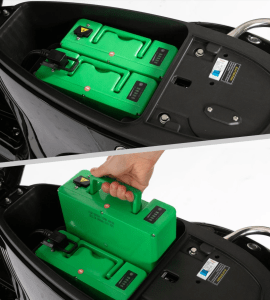
If it’s safe to do so, remove the battery and isolate it from the bike. This prevents further electrical flow and helps contain any potential problems.
Inspect the Components
Look for obvious signs of damage, such as melted insulation, burn marks, or loose wires. Be cautious—damaged batteries or wires can still hold dangerous amounts of energy.
Consult a Professional
If you’re unsure about the cause or severity of the sparking, take your e-bike to a certified technician. They have the tools and expertise to diagnose and fix electrical issues safely.
Dispose of Damaged Batteries Properly
If your battery is the source of the problem, don’t throw it in the trash. Lithium-ion batteries require specialized disposal to prevent environmental harm and safety risks.
A Few Words on E-Bike Safety Culture
Electric bikes are an incredible way to enjoy eco-friendly transportation, but they come with responsibilities. A small spark may not seem like a big deal until it’s too late. By staying vigilant and proactive with maintenance, you can avoid most spark-related issues altogether.
E-bikes are built to be safe, efficient, and long-lasting, but like any complex machine, they need a little care to keep running smoothly. Don’t let the occasional spark scare you—use it as a reminder to check in with your bike and ensure everything is working as it should. Ride safe, stay charged, and keep exploring!