


The Complete Electric Scooter Repair Guide: Maintenance, Fixes, and Smart Ownership
Electric scooters have quickly gone from trendy gadgets to serious transportation options. If you ride one regularly, you’ve probably already learned how convenient they can be. But like anything with a motor, battery, and moving parts, they need regular care. And when things go wrong, knowing what to do can make the difference between a quick fix and a long, expensive repair.
This guide is built to walk you through the world of electric scooter maintenance and repair. It is meant for everyday riders, curious tinkerers, and anyone who wants to keep their scooter running smoothly. Whether you are changing your first tire or replacing a controller, this is the place to start.
Understanding the Basics: What Parts Usually Fail and Why
Electric scooters have a fairly standard set of components. Once you understand what they are and how they work together, diagnosing problems becomes a lot easier.
The battery powers everything. Most use lithium-ion cells arranged in packs. These degrade over time and are sensitive to heat, overcharging, and full discharge.
The motor is typically a hub motor integrated into the front or rear wheel. Brushless DC motors are standard because they are efficient, quiet, and low-maintenance.
The controller is the brain of the scooter. It regulates the power coming from the battery and controls acceleration, braking, and sometimes speed limiting features. If your scooter is behaving erratically, this is one of the first parts to suspect.
The throttle, brakes, tires, suspension, and display unit are other common sources of issues. Knowing how each part interacts with the others makes it easier to isolate problems and take action.
Daily and Weekly Checks That Prevent Expensive Repairs
Many problems can be avoided entirely just by doing regular checks. Think of this like brushing your teeth. It does not take long, but skipping it for too long leads to real problems.
Tire pressure should be checked weekly. If your scooter uses pneumatic tires, underinflation increases rolling resistance and makes flats more likely. Use a digital tire gauge and aim to stay within the recommended PSI range printed on the sidewall.
Brake response should be tested before every ride. If you have mechanical disc brakes, check the lever feel and look for rubbing or dragging. Electronic brakes can also be tested by gently squeezing the lever and watching for smooth deceleration.
Clean your scooter regularly. Dust and grit wear down moving parts and can interfere with electrical connections. Use a damp cloth, not a hose or high-pressure sprayer. Avoid getting moisture near the charging port or display panel.
Keep an eye on battery charge habits. Try to keep it between 20 percent and 80 percent most of the time. Fully draining lithium-ion batteries shortens their lifespan. So does keeping them charged at 100 percent for long periods.
Inspect connectors and cables. Look underneath the deck or near the folding mechanism and check for frayed wires or loose plugs. If something looks sketchy, it probably is. Loose wiring often causes intermittent electrical faults that are hard to diagnose.
Diagnosing and Fixing Common Issues
When something feels off, start by checking the basics. Is it charging properly? Do the lights turn on? Is there an error code on the display? Once you have ruled out user error, the next step is to isolate which component is failing.
Flat tires or blowouts
If you are riding on pneumatic tires, these are inevitable eventually. Inner tube replacements are often easier with a bit of heat applied to the tire wall to soften the rubber. Use tire levers and be careful not to pinch the new tube during installation. Solid tire conversions are available for some models but ride quality suffers significantly.
Battery not charging or draining too quickly
If your range has dropped by more than 30 percent and your habits have not changed, the battery is likely aging. Use a multimeter to test the voltage output at full charge. If it reads significantly lower than the rated voltage, you may need a replacement. Check the BMS or battery management system for fault indicators if accessible.
Brakes feel weak or noisy
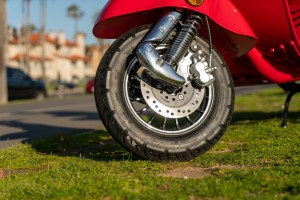
Squealing usually means contamination or misalignment. Clean the rotors with isopropyl alcohol and lightly sand the pads if they have glazed over. For cable-actuated disc brakes, tension can be adjusted with the barrel adjuster near the lever or caliper. If that does not help, the pads may be worn out.
Throttle not responding
Check the connector first. A loose throttle cable is common, especially on folding models. If the scooter powers on but does not move when you twist the throttle, it could be a faulty Hall sensor in the throttle itself. Replacing it is usually simple, but you will need to source a compatible unit.
Motor makes grinding or clicking noises
If the scooter is still moving but making noise, it may be internal gearing or bearing failure inside the hub. Some motors are serviceable, others are sealed and require full replacement. If the scooter is completely unresponsive, it could be a motor controller failure instead.
Display not turning on or flickering
Start with the power button and battery. If those check out, the display unit may have water damage or a failed connection. Some scooters have removable dashboards that can be replaced as a single unit. If yours is integrated with the controller, the fix may be more involved.
Tools You Will Eventually Need
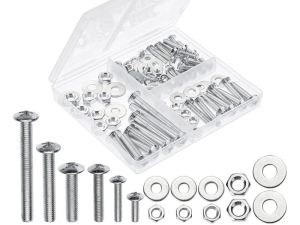
Even basic maintenance can go much smoother if you invest in a few essential tools. A reliable hex key set, a torque wrench, tire levers, a portable air pump, and a digital multimeter are great starting points. A chain lubricant, thread locker, and contact cleaner are also helpful if you are doing more involved repairs.
For more advanced repairs, a soldering iron, heat shrink tubing, and a hot air gun are useful when dealing with damaged connectors or waterproofing electronics. If you plan to work on the battery or motor wiring, always follow basic electrical safety and work with the scooter turned off and disconnected from power.
How Much You Might Pay for Repairs
Repair prices vary depending on your location and scooter model. But here is a rough breakdown to give you an idea.
Tire and inner tube replacement usually costs between thirty and sixty dollars including labor. Brake service runs about twenty to forty. Throttle replacements are generally in the forty to seventy range depending on complexity. Replacing a controller can cost over one hundred dollars, and a battery swap could cost anywhere from two hundred to six hundred depending on brand and capacity.
If you are buying parts yourself, make sure they match your model exactly. Generic parts are often tempting because of the lower price, but voltage mismatches or connector differences can lead to serious issues.
Long-Term Scooter Care Tips
Store your scooter in a dry, climate-controlled place. Avoid exposing it to freezing temperatures or direct sun for long periods. Keep the charging port covered and clean. Do not let water sit on the deck or undercarriage.
Update firmware if your model supports it. Manufacturers sometimes release updates that improve battery efficiency, safety, or controller logic. Use the official app or service center when doing this.
If you ride in the rain or wet conditions, take extra precautions. Add dielectric grease to connectors to prevent corrosion. Consider using waterproof silicone around exposed ports. Once you get home, wipe down the scooter and let it dry before charging.
Electric scooters are simple in some ways and surprisingly advanced in others. The more you learn about your scooter, the better your chances of spotting problems early and fixing them before they get expensive. A few basic habits go a long way toward extending the life of your ride and keeping it reliable day after day.
Learning to repair your scooter is not just about saving money. It also gives you more confidence, more independence, and a better connection to your ride. You do not need to be an expert to take good care of your scooter. You just need a little curiosity and a willingness to pay attention to the signs when something is not right.
If you ever feel stuck, ask for help. Join a forum, find a local technician, or reach out to your scooter brand’s support team. The electric scooter community is growing, and most riders are happy to share what they have learned.