 America’s #1 Retro Electric Moped • Removable Battery • Free Delivery • From $94/mo • Street Legal


Everything You Need to Know About Charging Your Electric Bicycle
If you’re new to the world of electric bicycles—or even if you’ve been riding one for a while—you’ve probably had some of these thoughts rattling around your head: Am I charging this thing the right way? How long should it really take? Am I doing something that could hurt the battery without realizing it? It’s easy to feel a little lost when it comes to taking care of the very thing that powers your ride. The truth is, most e-bike owners want their battery to last as long as possible but aren’t always sure what that really looks like day-to-day. The good news? Charging your electric bicycle doesn’t have to be complicated, but there are some important things to know if you want to avoid the headaches—and unexpected costs—down the line.
Let’s break it all down in plain language, so you can ride (and charge) with confidence.
How E-Bike Batteries Work
Before getting into charging, it helps to understand a little bit about what you’re working with. Most electric bicycles use lithium-ion batteries. They’re lightweight, they hold a lot of energy relative to their size, and they’re pretty durable when treated right.
A typical e-bike battery is made up of many smaller cells grouped together, similar to what you’d find in a laptop or an electric car. The two main specs you’ll see thrown around are voltage (V) and amp-hours (Ah). Voltage relates to the “push” of the electricity, and amp-hours tell you how much energy the battery can store. Together, they help determine your bike’s power and how far you can go on a single charge.
Knowing these basics is important because not all chargers and batteries are created equal. Using the wrong charger or ignoring the limits of your battery can shorten its life in a hurry.
How Long Does It Take to Charge an Electric Bike?
This is one of the first questions people ask—and honestly, it depends.
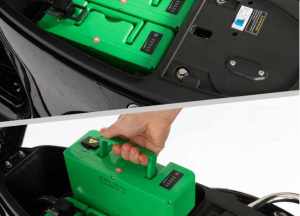
The average electric bicycle takes between 3 to 6 hours to fully charge from empty. If you have a larger capacity battery (like something meant for long-range rides), it might creep closer to 7 hours. Some chargers are “fast chargers” and can cut that time down, but it’s not always the best thing for battery health in the long run.
Here’s a rough idea of what affects charging time:
- Battery capacity: Bigger batteries take longer.
- Charger output: Chargers with higher amperage can charge faster.
- Battery age: As batteries get older, they often take a bit longer to top off.
Quick tip: You don’t have to wait for the battery to hit zero before plugging it in. In fact, it’s better for battery health if you don’t.
Best Practices for Charging Your E-Bike Battery
There’s no shortage of advice floating around out there, and some of it honestly just adds to the confusion. These are the habits that actually make a difference if you want to keep your battery healthy:
Avoid Charging Right After a Ride
When you finish a ride, especially a long or intense one, your battery is likely warm. Charging a hot battery isn’t great for its lifespan. Give it at least 30 minutes to cool down before plugging it in.
Don’t Leave It Plugged in Forever
It’s tempting to plug in your bike after a ride and forget about it overnight—or for a couple of days—but overcharging can strain the battery. Most modern chargers stop sending power once the battery hits 100%, but small trickles of electricity can still add up over time. A good rule of thumb: Unplug it within an hour or two after it’s fully charged.
Charge at Room Temperature
Extreme temperatures are a battery’s worst enemy. Charging in very hot or freezing cold conditions can damage the cells inside. The sweet spot? Somewhere around 50°F to 77°F (10°C to 25°C). If you ride in cold climates, bring the battery indoors to charge.
Partial Charging Is Okay (and Sometimes Better)
You don’t have to charge your battery to 100% every single time. In fact, keeping it between 20% and 80% can extend its life. Full charges are fine when you’re planning a long ride, but if you’re just commuting a few miles, topping it off halfway is actually gentler on the battery.
Things to Avoid When Charging
Sometimes knowing what not to do is even more helpful than knowing the best practices. Here’s what you’ll want to steer clear of:
Using the wrong charger: Always use the charger that came with your bike or one specifically approved for it. A charger with the wrong voltage or amperage can fry your battery—or worse.
Ignoring weird smells or heat: If your charger or battery gets unusually hot, smells funny, or makes odd noises, unplug it immediately. Continuing to charge can be dangerous.
Fully draining the battery all the time: Unlike older battery types, lithium-ion batteries don’t have a “memory” that needs to be reset. Constant deep discharges wear them out faster.
Charging outdoors in wet conditions: Water and electricity don’t mix. Always charge indoors in a dry space.
How to Store Your Battery Between Rides
If you won’t be riding your e-bike for a while—like during the off-season or while traveling—you’ll want to store your battery properly to keep it healthy.
- Charge it to about 60% before storing. Not full, not empty.
- Store it in a dry place at room temperature. Basements and garages are fine if they don’t get too cold or humid.
Check it every month. Batteries lose a little charge even when not in use. If it drops below 40%, give it a quick boost.
Skipping these steps can leave you with a dead battery when you’re ready to ride again—and sometimes, a dead battery can’t be revived.
Common Myths About Charging Electric Bikes
There’s a lot of well-meaning but bad advice floating around about electric bicycle charging. Let’s clear up a few of the biggest myths:
“You have to fully drain and fully charge every time.” Nope. This was true for old nickel-cadmium batteries, but lithium-ion batteries prefer smaller, partial charges.

“Fast charging is always better.” Faster isn’t always better when it comes to battery longevity. Regularly using a fast charger can lead to a shorter overall lifespan.
“You can use any charger with the right plug.” Just because it fits doesn’t mean it’s safe. Always match the voltage and current recommendations.
“Leaving it plugged in all the time will keep it ready to go.” It might seem convenient, but constant trickle charging can stress the battery over months.
Signs Your Battery Might Need Replacing
No battery lasts forever, even with perfect care. Here are a few signs it might be time to start thinking about a replacement:
- Your range drops dramatically, even after a full charge.
- The battery takes way longer to charge than it used to—or won’t fully charge at all.
- You notice swelling, leaking, or weird smells from the battery case.
If you see any of these, it’s usually better to replace the battery sooner rather than risk a sudden failure (or worse).
Final Thoughts
Taking good care of your electric bicycle’s battery really comes down to a few simple habits: charge smart, store smart, and don’t ignore weird behavior. It’s easy to forget that your battery is just like any other part of your bike—it needs a little bit of attention if you want it to keep performing at its best.
A little care goes a long way, and honestly, there’s something pretty satisfying about knowing you’re giving your gear the best shot at a long, healthy life. More time on the road, fewer headaches in the garage—that’s the real win.