 America’s #1 Retro Electric Moped • Removable Battery • Free Delivery • From $94/mo • Street Legal


The Ultimate Guide to Electric Moped Battery Care
If you’ve invested in an electric moped, chances are you’ve already fallen in love with the smooth, quiet rides, the low running costs, and the joy of gliding past gas stations without a second thought. But in the back of your mind, there’s probably one worry that keeps creeping in: How long will my battery actually last? Batteries aren’t cheap, and replacing one can be one of the biggest expenses in the life of an electric moped. You might be wondering if you’re charging it the right way, whether cold weather will hurt it, or if you should ride it down to empty before plugging it in. The truth is, the life and performance of your moped’s battery largely depend on how you treat it—and the good news is that with a bit of care, you can extend its lifespan and keep your rides smooth for years.
Understanding Your Electric Moped Battery
At the heart of every electric moped is its battery. Most modern electric mopeds use lithium-ion batteries, similar to what’s inside smartphones and laptops but built to handle higher loads and longer cycles. They’re popular because they’re lightweight, have a high energy density (meaning they can store a lot of power for their size), and don’t suffer from the same “memory effect” older battery types did.
However, lithium-ion batteries still have limits. They wear out over time—usually after a certain number of charge cycles. A charge cycle is when you use up the battery’s full capacity, whether that’s in one ride or over several partial charges. For example, if you ride your moped down to 50% and then recharge to full, that’s half a cycle. Do that twice, and you’ve completed one full cycle.
Understanding how your battery works is the first step to taking better care of it. The better you match your usage habits to what the battery needs, the longer it will keep delivering reliable power.
Charging Habits That Make or Break Battery Life
A lot of riders think the best thing to do is run the battery down completely before charging it. That might have been true with older battery technologies, but lithium-ion batteries actually prefer to stay in a mid-to-high charge range. Draining them too low puts unnecessary strain on their cells.
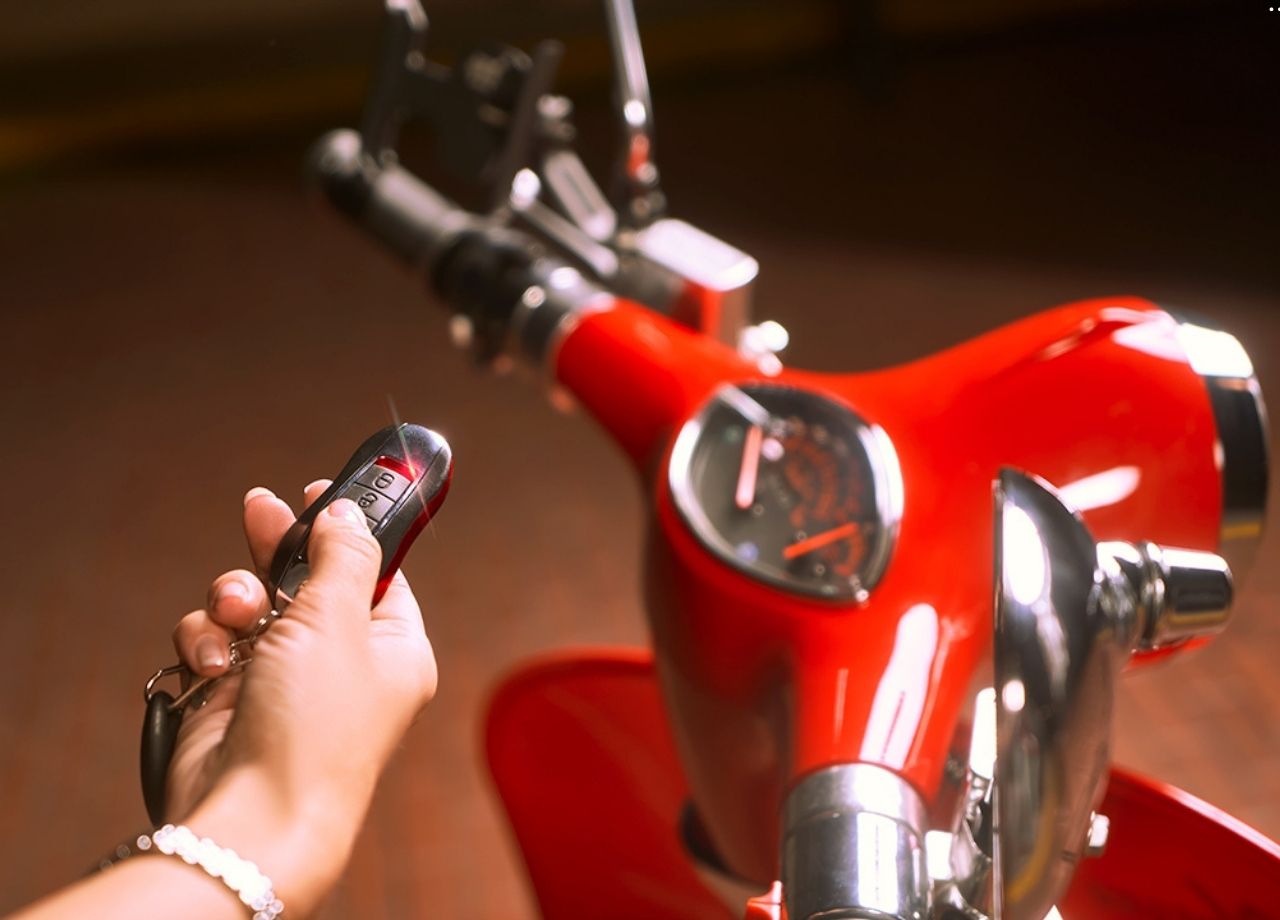
Aim to keep your battery between 20% and 80% most of the time.
This range keeps stress levels low and prolongs the number of cycles before capacity starts to drop noticeably. It’s okay to charge it to 100% if you’re about to go on a long ride, but try not to leave it fully charged for days on end without using it.
Avoid fast charging when possible.
While your moped might come with or be compatible with fast chargers, using them frequently generates extra heat, which can shorten the battery’s life. Slow, steady charging is gentler and better in the long run.
Charge in the right environment.
Charging in extremely hot or cold conditions is hard on lithium-ion batteries. If you can, bring the battery indoors or into a temperature-controlled space to charge it, especially during summer heatwaves or winter freezes.
Storing Your Battery the Right Way
If you’re not going to use your electric moped for a few weeks—or if you’re putting it away for the winter—battery storage becomes a big factor. Storing a battery incorrectly can permanently reduce its capacity.
Here’s the golden rule for storage: keep it around 50–60% charge and store it in a cool, dry place. This mid-level charge helps prevent both over-discharge and unnecessary strain from sitting fully topped up. Avoid damp areas and direct sunlight—moisture can corrode connectors, and heat speeds up battery aging.
If your battery is removable, take it out and store it separately. This makes it easier to keep it in optimal conditions and also protects it from temperature swings if your moped is kept in a garage or shed.
It’s also worth checking the charge every month or so during storage. Lithium-ion batteries will slowly lose charge even when not in use, and if they drop too low, they can become damaged beyond repair.
The Impact of Riding Style on Battery Health
How you ride your moped also influences how long your battery lasts. Heavy acceleration, constant high speeds, and carrying heavy loads all make the battery work harder, which generates heat and uses more energy per mile.
Smooth acceleration, consistent cruising speeds, and avoiding unnecessary strain can help conserve energy. This doesn’t mean you have to crawl along at a snail’s pace, but riding in a way that avoids constant stop-and-go surges will keep your battery healthier and your range more predictable.
Also, be mindful of hills. Climbing steep inclines draws a lot of power, and while there’s not much you can do if your daily route includes them, pacing yourself and avoiding unnecessary uphill sprints can make a difference.
Weather and Temperature: The Silent Battery Killers
Extreme temperatures—both hot and cold—are among the biggest threats to your battery’s long-term health. Cold weather reduces the chemical activity inside the cells, making the battery less efficient and temporarily lowering range. Heat, on the other hand, accelerates the degradation process, meaning your battery will lose capacity faster over its lifetime.
In cold conditions, it’s best to store your moped and battery indoors when possible and start your rides with a battery that’s been kept warm. In hot conditions, avoid parking in direct sunlight for long periods, and if you’ve just been on a long ride in high heat, let the battery cool down before plugging it in.
Some riders even use insulated battery covers or small thermal wraps during winter to help maintain performance, especially if they have longer commutes.
Signs Your Battery Needs Attention
Even with the best care, batteries won’t last forever. Knowing the signs of a declining battery can help you plan ahead rather than being caught off guard.
You might notice your range starting to drop more quickly than before, or the battery might take longer to charge. In some cases, it may lose power unexpectedly or shut off before the display shows it’s empty. If the casing starts to swell or you see physical damage, stop using it immediately—this can be dangerous and needs professional handling.
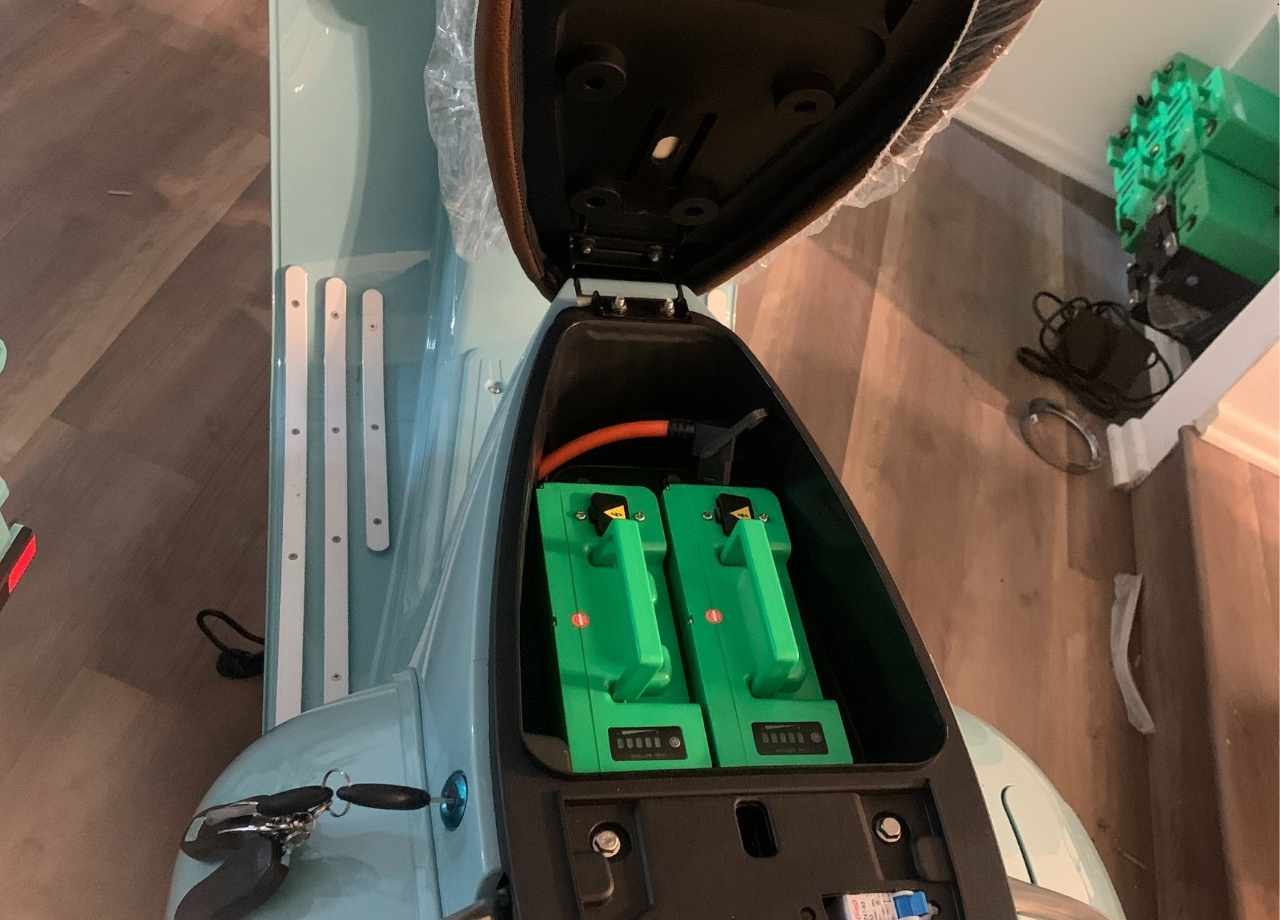
Sometimes, battery issues can be fixed with a recalibration (fully charging and discharging to reset the battery management system), but in many cases, these are signs that it’s approaching the end of its life.
Extending Battery Life With Routine Maintenance
Taking care of your electric moped’s battery isn’t just about charging habits—it’s part of overall maintenance. Regularly check the battery terminals and connectors for dirt or corrosion, and clean them gently if needed. A poor connection can make the battery work harder and waste energy.
Also, keep your moped’s tires properly inflated and drivetrain in good condition. A well-maintained moped uses less power to move, which in turn puts less strain on the battery.
If your moped has a removable battery, don’t carry it around carelessly. Dropping it can damage the internal cells or electronics, even if the outer casing looks fine.
The Long-Term Payoff of Good Battery Care
Replacing a battery can be one of the most expensive parts of owning an electric moped, so every extra month or year you get out of it is money saved. But it’s not just about cost—good battery care also means consistent range, reliable performance, and fewer headaches on the road.
When you build good habits—like charging in the right range, avoiding extreme temperatures, and storing the battery correctly—you’re essentially giving your moped a longer, healthier life. You’ll spend more time enjoying your rides and less time worrying about when the battery will give out.
And here’s the bonus: these habits become second nature after a while. What might feel like extra effort at first quickly turns into part of your riding routine. Before long, you won’t even think about it—you’ll just be getting the most out of your moped, ride after ride.