 America’s #1 Retro Electric Moped • Removable Battery • Free Delivery • From $94/mo • Street Legal

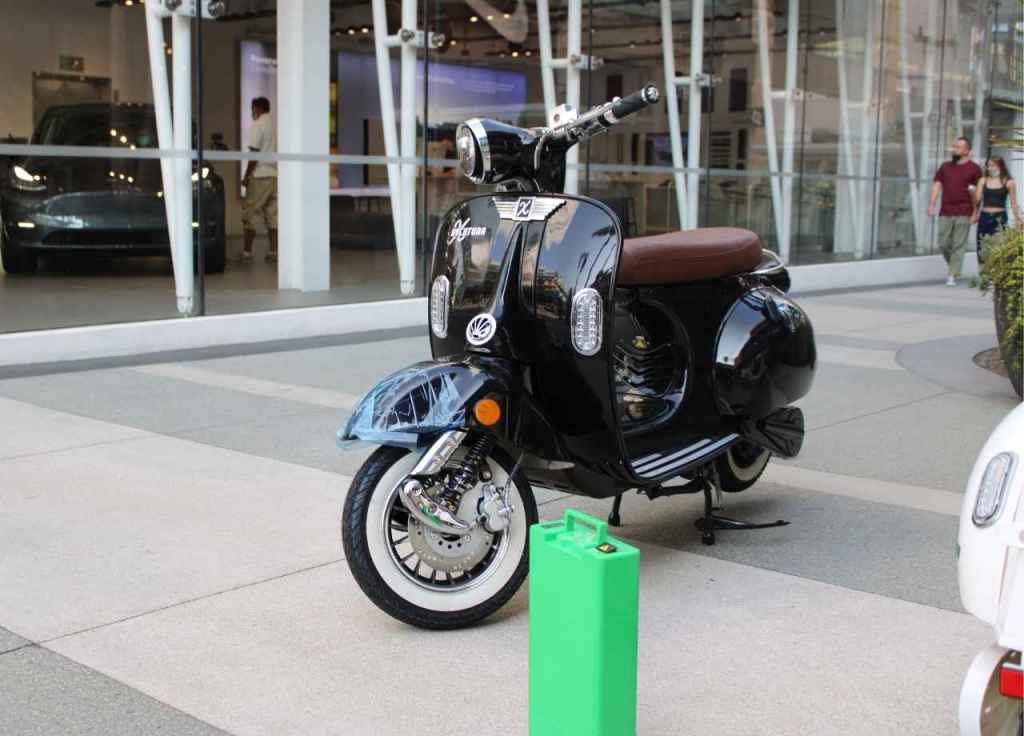
Electric Moped Charger Essentials: Avoid Common Mistakes That Could Harm Your Battery
It’s one of those small but mighty tools you might overlook until something goes wrong: the charger for your electric moped. It’s easy to assume that once you’ve plugged in your battery and the indicator light comes on, the job is done. But this little device plays a huge role in the health of your battery and, by extension, the longevity and performance of your moped.
Let’s be honest—no one wants to deal with a prematurely dead battery or unexpected breakdowns. Whether you’re a daily commuter or a weekend rider, learning how to care for your charger and battery can save you time, money, and headaches. Here’s everything you need to know to avoid common mistakes and keep your moped running smoothly for years.
Understanding Your Electric Moped Charger
Before we dive into the do’s and don’ts, it’s worth understanding what makes your charger tick. The charger’s job is to convert AC electricity (from your wall socket) into DC electricity, which your moped battery can store and use. It also regulates the voltage and current during the charging process to ensure your battery is charged safely and efficiently.
Electric moped chargers usually fall into two categories:
Standard Chargers:
These deliver a consistent charge over a set period. They’re straightforward and reliable but can sometimes overcharge your battery if left plugged in too long.
Smart Chargers:
These are equipped with advanced circuitry to automatically adjust the charge rate based on the battery’s state. They often include features like overcharge protection and temperature monitoring.
Knowing which type of charger you have—and its limitations—can help you avoid mistakes that could harm your battery.
Common Mistakes That Could Damage Your Battery
Using the Wrong Charger
Not all chargers are created equal. Each battery has specific voltage and current requirements, and using a charger that doesn’t match those specifications can lead to serious problems. For instance:
A charger with too high a voltage can cause overheating and permanent damage to your battery cells.
One with too low a voltage might fail to fully charge the battery, leaving you stranded halfway through your ride.
Always check your battery’s manual for its voltage and amperage requirements, and only use a charger designed for that particular battery.
Overcharging Your Battery
Leaving your battery plugged in for too long might seem harmless, but it can cause gradual damage. Overcharging generates heat, which can degrade the battery cells over time.
While smart chargers can prevent overcharging, standard chargers typically don’t. If you’re using a standard charger, unplug it once the battery reaches full capacity. Set a timer if you’re prone to forgetting.
Charging in Extreme Temperatures
Temperature plays a critical role in battery performance and lifespan. Charging your moped in extremely cold or hot conditions can cause issues like reduced capacity, slower charging, or even permanent damage.
In cold environments, the chemical reactions inside the battery slow down, making charging inefficient.
In hot conditions, excessive heat can lead to swelling or leaking of the battery cells.
Try to charge your battery in a temperature-controlled environment, ideally between 50°F and 77°F (10°C to 25°C).
Using a Damaged Charger or Cable
It’s easy to overlook frayed wires or a cracked adapter, but using a damaged charger can be dangerous. It might deliver inconsistent power, causing uneven charging, overheating, or even a short circuit.
Regularly inspect your charger and cables for wear and tear. Replace them immediately if you notice any damage.
Improperly Storing Your Charger
Believe it or not, how you store your charger can impact its performance. Leaving it tangled in a pile, exposed to moisture, or stuffed in a drawer with heavy items can lead to damage over time.
Store your charger in a dry, cool place, ideally in a dedicated pouch or box to protect it from dust and physical damage.
Tips for Maximizing Battery and Charger Life
Now that we’ve covered the pitfalls, let’s look at some best practices to get the most out of your charger and battery.

Stick to the 20–80 Rule
Many electric moped batteries perform best when they’re not charged to 100% or allowed to drop below 20%. Keeping the battery level between 20% and 80% helps reduce strain on the cells and extends their lifespan.
Charge Regularly, but Not Constantly
Avoid letting your battery sit at 0% for extended periods, as this can lead to deep discharge—a state that makes it difficult or impossible to recharge the battery. Similarly, avoid keeping the charger connected all the time, as this can lead to overcharging issues.
Clean Your Battery and Charger Connections
Dust, dirt, and corrosion can interfere with the connection between your charger and battery, leading to inefficient charging. Use a soft, dry cloth to clean the connectors periodically.
Invest in a Surge Protector
Power surges can damage your charger and battery. Using a surge protector can safeguard against unexpected spikes in voltage, especially if you live in an area prone to electrical fluctuations.
Monitor Charging Progress
Some chargers come with indicator lights or screens that show the charging status. Keep an eye on these indicators to ensure everything is functioning as it should. If you notice anything unusual, like excessive heat or an unusually long charging time, stop the process and inspect your equipment.
Troubleshooting Common Issues
Even with proper care, issues can arise. Here’s how to handle a few common problems:
Battery Won’t Charge:
Check that the charger is plugged in securely and that the outlet is functioning. Inspect the cables for damage, and try resetting the charger if it has a reset button.
Overheating During Charging:
This could indicate a problem with the charger, the battery, or both. Disconnect immediately and let everything cool down before investigating further.
Inconsistent Charging:
Clean the connectors and ensure there’s no dust or debris blocking the connection.
If the problem persists, consult a professional to avoid causing further damage.
Final Thoughts
Your electric moped charger is more than just a plug-and-play device—it’s a vital tool that directly impacts your moped’s performance and lifespan. By understanding how it works and avoiding common mistakes, you can keep your battery healthy and reliable for years to come.
Remember, a little extra care goes a long way. Whether it’s storing your charger properly, keeping an eye on charging temperatures, or sticking to the 20–80 rule, these small steps can make a big difference. Stay mindful, and enjoy the ride!