 America’s #1 Retro Electric Moped • Removable Battery • Free Delivery • From $94/mo • Street Legal


Is an Electric Moped a Safe Choice for Your Teenager?
If you’re here, there’s a good chance you’re a parent who’s standing at that crossroads — your teenager wants more freedom, and you’re caught between excitement for their independence and pure, stomach-twisting worry about their safety. It’s not easy. On one hand, you remember what it felt like to crave that first real taste of freedom. On the other hand, the world feels busier, faster, and riskier than when we were teenagers. Maybe your teen has been dropping hints about getting a car or a motorcycle, and you’re thinking, “Is there a middle ground that’s safer, more affordable, and still cool enough that they won’t roll their eyes at me?” That’s probably how the idea of an electric moped made it onto your radar.
But can an electric moped actually be a safe choice for your teenager? Or are you setting yourself up for sleepless nights and gray hairs? Let’s break it down together.
Understanding What an Electric Moped Is
Before we talk safety, it’s worth getting clear on what an electric moped actually is. Unlike traditional gas scooters or full-on motorcycles, an electric moped usually tops out around 28 to 45 miles per hour (depending on the model). It’s lighter, quieter, and powered by a rechargeable battery instead of a gas tank.
Some models are strictly throttle-based, while others come with pedals (technically classifying them closer to electric bikes in some places). They’re generally smaller and easier to control than a full motorcycle, but they’re still a step up from a bicycle in both speed and responsibility.
This middle-ground nature is part of what makes parents curious — it seems less intimidating than a car or motorcycle but gives teens that feeling of having their own “vehicle.”
What Makes an Electric Moped a Potentially Safer Option?
There are a few reasons electric mopeds have gained a reputation for being a more manageable choice for young, first-time riders.
Speed Limits Help Reduce Risk
One of the biggest factors? Speed. Electric mopeds are usually designed to move slower than cars and motorcycles. Speeds in the 30-40 mph range allow teenagers to keep up with city traffic without the temptation to push 70 mph down a suburban street. Limiting the top speed right out of the box reduces the chances of severe accidents compared to traditional motorcycles.
Some models even have “beginner” modes that electronically cap the top speed even further, offering a good starting point for younger riders still building their confidence.
Easier to Handle
Handling is another big plus. Electric mopeds are lightweight and have a low center of gravity, making them much easier to balance, steer, and stop compared to heavier motorcycles. Less weight also means less force in the event of a crash, which can make a big difference when it comes to injuries.
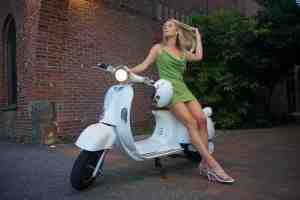
Because electric mopeds are simple to operate (usually twist-and-go throttles, without the need for clutching or gear shifting), they allow new riders to focus on the road without being overwhelmed by mechanical controls.
Quiet Operation Means Fewer Startle Accidents
This might sound minor, but the quiet motor of an electric moped actually plays into safety, too. Loud, roaring engines can startle inexperienced riders — especially when accelerating or maneuvering around obstacles. A quieter machine means a calmer rider, and a calmer rider makes smarter, more measured decisions.
What You Should Still Worry About (Because It’s Not a Perfect World)
It would be dishonest to paint electric mopeds as magically safe just because they’re smaller and slower. There are still real risks, and some of them are the same ones you’d worry about with any vehicle.
Road Visibility Is a Big Problem
Mopeds — electric or not — are smaller than cars. That means drivers are less likely to see them, especially at intersections or in heavy traffic. Teaching your teenager to be hyper-aware of blind spots, use reflective clothing, and keep their lights on even during the day is crucial.
Even if they’re the world’s most careful rider, they have to ride defensively because not every driver will be paying attention.
Lack of Physical Protection
Unlike a car, there’s no steel cage around a moped rider. If your teenager gets into an accident, they’re vulnerable to road rash, broken bones, or worse. Protective gear isn’t optional; it’s mandatory. Helmet, gloves, jacket, long pants, and sturdy shoes — every single ride, no matter how “quick” the trip.
There’s also the temptation among teens to skip the gear for short errands (“I’m just going down the block!”) — a habit you’ll need to hammer into their heads as non-negotiable.
Weather Adds Another Layer of Risk
Electric mopeds are awesome for sunny afternoons. Rain, snow, or even a heavy windstorm? Not so much. Wet roads mean slick tires, poor visibility, and a much higher chance of skidding. Part of safe moped ownership is teaching your teen to respect bad weather and leave the moped at home when conditions aren’t ideal.
How to Boost Your Teenager’s Safety on an Electric Moped
Choosing an electric moped is just the first step. The real key to keeping your teen safe is building habits, skills, and an environment that support smart riding.
Prioritize a Safety Course
No matter how cautious your teen is, they need formal training. Many places offer basic rider safety courses that cover topics like emergency maneuvers, reading traffic patterns, and what to do when things go wrong. Some courses are even specific to mopeds or scooters, so they don’t get overwhelmed learning motorcycle techniques meant for heavier bikes.
Passing a certified course can also sometimes get you a break on insurance premiums — a nice bonus for parents footing the bill.
Start with Supervised Practice
Before turning your teen loose on city streets, schedule lots of practice rides together. Empty parking lots, quiet neighborhood roads, or even short trips to familiar spots can help build muscle memory and road awareness without throwing them straight into the deep end.

When you practice together, you can point out things they might miss — like how quickly an SUV can hide a moped in a blind spot or how gravel at a stop sign can cause a slip.
Set Clear Rules (And Stick to Them)
Freedom feels great to a teenager. Boundaries feel… less great. But laying out non-negotiable rules is part of keeping them safe. Some examples you might consider:
- No riding without full gear, no exceptions.
- No passengers until they’ve had several months of accident-free riding.
- No riding after dark until they’ve proven good daytime skills.
- No riding in bad weather.
And yes, there should be real consequences if the rules are broken. You’re not trying to crush their spirit — you’re trying to make sure they live to see adulthood with all their bones intact.
Things to Look for When Choosing the Right Electric Moped
If you’re leaning toward giving the green light, picking the right model makes a difference.
Look for features like:
- Bright LED headlights and taillights for visibility.
- Reliable disc brakes instead of drum brakes — better stopping power matters.
- Wider tires for more stability.
- Good battery range so they’re not stranded halfway home.
- Speed limiters or beginner settings that can be unlocked later as they gain skill.
Also, check the local laws where you live. Some places require mopeds to be registered like motorcycles. Some allow younger riders if the moped’s top speed stays below certain limits. Knowing the rules ahead of time will save you headaches later.
There’s no such thing as a perfectly safe vehicle, just like there’s no such thing as a perfectly safe sport, job, or activity. Risk is part of growing up — and part of life. But when managed well, an electric moped can be a safer, smarter bridge between riding a bike and driving a car.
Choosing to let your teenager ride an electric moped means putting a lot of trust in them. It means putting in extra work upfront — training, setting rules, maybe even biting your tongue when you’re tempted to hover.
But it also means giving them a chance to build real-world skills, confidence, and independence — and those are gifts that will serve them well long after the moped is parked in the garage.
And hey, if you do it right, you might even sleep at night without keeping one eye open. Imagine that.