

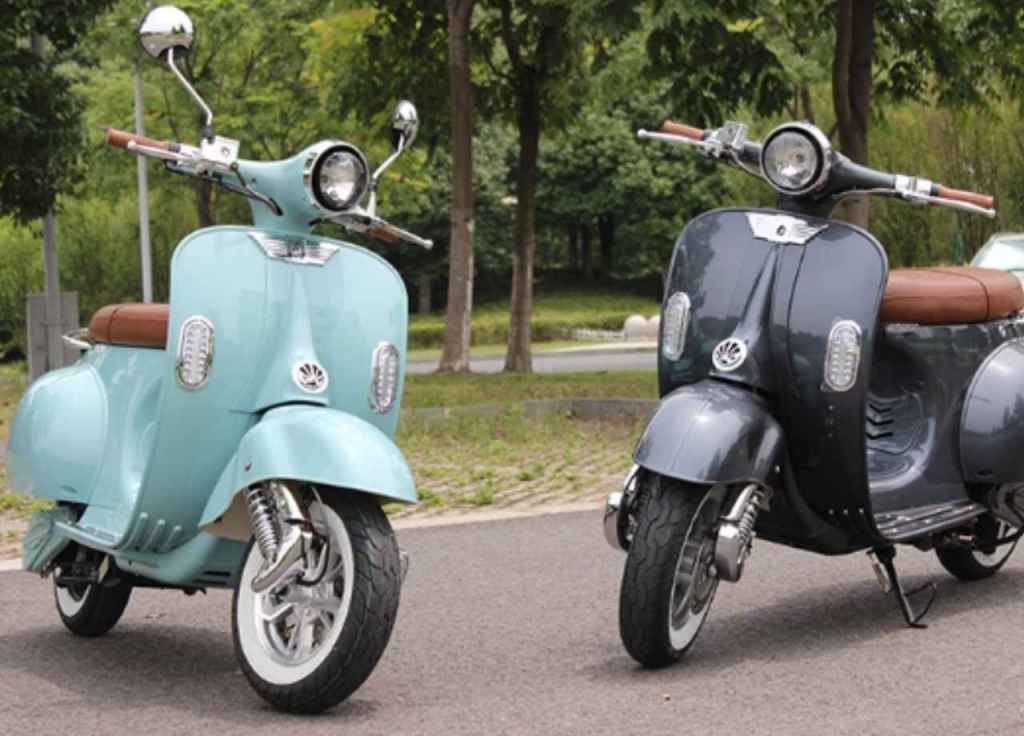
Electric Moped License Requirements Explained: A Simple Guide by State
Thinking about getting an electric moped? Great choice! They’re sleek, fun to ride, and good for the planet. But before you jump into the fast lane, there’s something to know: licensing requirements for electric mopeds aren’t one-size-fits-all.
Rules vary depending on where you live, and navigating them can feel overwhelming. That’s why I’ve put together this guide—to make it simple for you to understand what’s required and get you on the road, hassle-free.
Disclaimer: Licensing requirements for electric mopeds vary by state and can change over time. Always check with your local Department of Motor Vehicles (DMV) or relevant authority for the most accurate and up-to-date information. This guide is for general informational purposes only.
What Exactly Is an Electric Moped?
Before jumping into the requirements, let’s clarify what qualifies as an electric moped. Typically, an electric moped is a two- or three-wheeled vehicle equipped with pedals and an electric motor, usually under 5,000 watts. They sit in a unique category somewhere between e-bikes and motorcycles, offering more speed than bicycles but less power than full-on motorbikes.
The distinction matters because states classify mopeds differently depending on speed limits, motor wattage, and design features. These classifications directly affect licensing and registration requirements.
The Federal Standards
At the federal level, mopeds fall under the purview of the National Highway Traffic Safety Administration (NHTSA). If a moped’s top speed exceeds 20 mph, it’s often classified as a motor vehicle, meaning it must meet specific manufacturing and safety standards, including having mirrors, turn signals, and a visible license plate mount. States then build on this framework with their own rules, which—let me tell you—can range from simple to downright complicated.
Understanding State-by-State Licensing Requirements
Alabama
Alabama requires moped riders to have a regular driver’s license. Mopeds must be registered with the state, but you don’t need a special endorsement or motorcycle license. The minimum age for riding is 14, making it one of the more accessible states for younger riders.
California
In California, you need an M1 or M2 motorcycle license to operate a moped. An M1 allows you to ride motorcycles, mopeds, and scooters, while an M2 restricts you to mopeds and scooters only. The vehicle must be registered, and riders must wear a DOT-approved helmet at all times. Here, mopeds are capped at 30 mph to qualify as such; anything faster might bump you into motorcycle territory.
Florida
Florida has relatively straightforward rules. You’ll need a standard driver’s license, but not a motorcycle endorsement. The state requires registration, a valid license plate, and insurance. Helmets are mandatory for riders under 21 or anyone with less than $10,000 in medical insurance.
New York
New York splits mopeds into three classes based on their top speeds:
Class A:
30–40 mph; requires a motorcycle license (Class M).
Class B:
20–30 mph; needs a driver’s license.
Class C:
Tops out at 20 mph and can be ridden without special endorsements.
All classes require registration, but helmets are only mandatory for Classes A and B.
Texas
In Texas, mopeds are considered motor vehicles, meaning they need to be registered. However, the licensing requirement is relatively simple—a Class C driver’s license suffices. No motorcycle endorsement is needed. The state defines mopeds as vehicles with a top speed of 30 mph, so check the specs before buying one!
Technical Specs That Influence Licensing
Several factors play a role in how mopeds are classified and regulated. Knowing these specs can save you a lot of headaches:
Top Speed:
Most states draw the line at 30 mph for moped classification. Exceeding this speed typically pushes the vehicle into motorcycle territory, requiring additional licensing and endorsements.
Motor Power:
States often cap motor wattage at 5,000 watts. Anything above this is usually considered a motorcycle.
Pedals:
Some states require mopeds to have functional pedals to qualify for lower licensing thresholds.
Age Requirements
The minimum age to ride an electric moped varies significantly. For example, South Dakota allows riders as young as 14, while states like Nevada require you to be 16. Always double-check your state’s rules before assuming you’re good to go.
Do You Need Insurance?
Insurance requirements are another area where states diverge. Many require at least liability coverage for mopeds, especially if registration is mandatory. A few exceptions exist—some states waive insurance requirements for lower-speed mopeds, classifying them closer to bicycles.
Here’s the catch: even if your state doesn’t require insurance, it’s often a good idea to have it. Accidents happen, and having coverage can save you from expensive repairs or medical bills.
Registration and Inspection
Most states mandate moped registration, which usually involves a fee and a trip to the DMV. You’ll need to provide proof of ownership, and in some cases, a certificate of inspection verifying that your moped meets safety standards.
States like Pennsylvania even require an annual inspection for mopeds, similar to cars. While this may seem like a hassle, it ensures your vehicle is roadworthy, especially given the higher speeds mopeds can reach compared to bicycles.
Helmet Laws
Helmet requirements depend on the state and, sometimes, the rider’s age. States like California enforce universal helmet laws for all moped riders, while others, like Texas, allow adult riders to go without a helmet if they meet certain criteria (e.g., sufficient medical insurance). Regardless of legal mandates, wearing a helmet is a no-brainer for safety.

Pro Tips for First-Time Riders
Study the Manual:
Your electric moped likely comes with a manual outlining local compliance requirements. Don’t skip this step—it could save you a lot of headaches.
Take a Safety Course:
Some states, like Tennessee, waive testing requirements for a motorcycle endorsement if you complete an approved safety course. Plus, it’s a great way to build confidence.
Invest in Safety Gear:
Beyond helmets, consider gloves, reflective vests, and proper footwear. You’ll thank yourself later.
Know Your Limits:
If you’re new to mopeds, start on quieter streets to get a feel for the controls and braking system.
Riding an electric moped is an eco-friendly, fun, and efficient way to get around, but understanding the legal requirements is essential. Whether it’s a license, registration, or helmet law, the rules can be tricky to navigate. The key is knowing your state’s specific requirements and staying compliant, so your ride stays carefree.
So, go ahead, enjoy the freedom of the open road—or at least the bike lane. Just make sure you’ve checked all the boxes before you hit the throttle!