 America’s #1 Retro Electric Moped • Removable Battery • Free 1–3 Day Delivery • From $94/mo • Street Legal

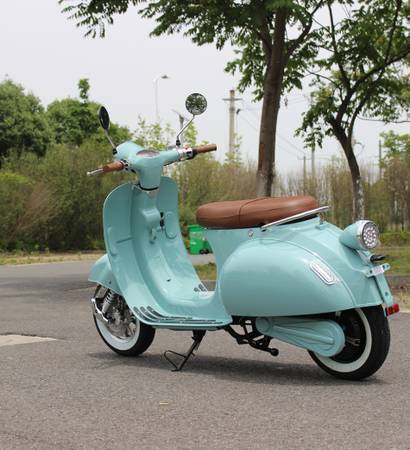
Electric Moped Speed: How Fast Can You Really Go?
Picture this: you’re cruising down the street on your sleek electric moped, the quiet hum of the motor replacing the typical engine roar. The ride feels effortless, almost like gliding, and then curiosity strikes—how fast can this thing actually go?
If you’re like most people considering an electric moped, speed is one of the first things you think about. It’s not just about getting from point A to B; it’s about the experience, the practicality, and yes, the thrill of the ride.
Let’s dive into what determines an electric moped’s speed and explore just how fast you can expect these vehicles to take you.
What Factors Influence Electric Moped Speed?
The speed of an electric moped isn’t just about how hard you twist the throttle; several technical elements play a role. Here are the main factors:
Motor Power
Electric mopeds typically come with motors rated in watts, ranging from about 250W for basic models to over 3000W for high-performance ones. The wattage indicates the power output, and generally, the higher the wattage, the faster the moped can go. For instance, a 250W motor might cap out at 15-20 mph, while a 3000W motor can reach speeds of 50 mph or more.
Battery Voltage and Capacity
The battery powers the motor, so its specifications significantly impact speed. Voltage determines how much energy can flow to the motor at a given time, directly affecting acceleration and top speed. Most mopeds have batteries ranging from 36V to 72V, with higher voltage systems supporting higher speeds.
Battery capacity, measured in ampere-hours (Ah), doesn’t influence top speed as much but determines how long you can maintain it. A larger capacity means longer rides at higher speeds before needing a recharge.
Weight of the Rider and Cargo
Your moped’s speed is also affected by how much weight it’s carrying. A heavier load requires more energy to move, potentially reducing top speed, especially on inclines.
Terrain and Weather
Flat, smooth roads are ideal for reaching top speeds, while steep inclines or rough surfaces will slow you down. Headwinds can also drag on your performance, while tailwinds might give you a helpful boost.
Speed Limiting Mechanisms
Many electric mopeds are fitted with speed limiters to comply with local laws. These devices cap the maximum speed to meet regulations for road use, often around 28 mph for street-legal models in the U.S. If you’re riding on private property, however, those limits might not apply.
Understanding Speed Classes and Laws
Before diving into specific speed capabilities, it’s important to understand how electric mopeds are classified in many countries. These classifications are often based on speed and motor power:
Class 1: Limited to 20 mph with pedal assist or throttle only.
Class 2: Typically capped at 28 mph.
Class 3: Designed for speeds exceeding 30 mph but may require registration, insurance, and a license.
Always check your local regulations, as they can vary widely and influence how fast you’re legally allowed to ride on public roads.
Real-World Speed Expectations
Entry-Level Mopeds
If you’re new to electric mopeds, you’ll likely start with an entry-level model. These typically offer speeds of 15-25 mph, which is perfect for urban commutes, leisurely rides, or areas with lower speed limits. While they won’t win any drag races, they’re efficient and eco-friendly, with enough power for most day-to-day needs.
Mid-Range Models
Step up to a mid-range model, and you’re looking at speeds of 25-40 mph. These mopeds balance practicality and performance, making them ideal for riders who need to cover slightly longer distances or want a bit more zip during their daily commute. With motors around 1500-2000W, they provide solid acceleration and can handle moderate inclines without breaking a sweat.
High-Performance Mopeds
For speed enthusiasts, high-performance electric mopeds offer a thrilling ride. These machines can hit 50 mph or more, thanks to powerful 3000W+ motors and high-voltage batteries.
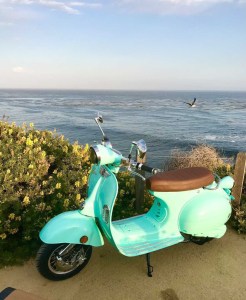
They’re great for open roads and longer trips, but their speed capabilities often require registration and a motorcycle license, depending on your location.
How to Maximize Your Electric Moped’s Speed
If you’re aiming to get the most out of your electric moped, here are a few tips to keep in mind:
Maintain Proper Tire Pressure
Underinflated tires increase rolling resistance, slowing you down. Check your tire pressure regularly to ensure optimal performance.
Reduce Weight
Minimizing cargo and unnecessary accessories can improve speed and acceleration. Every extra pound requires more energy to move.
Keep Your Battery Charged
A fully charged battery delivers better performance than one that’s running low. If you’re planning a high-speed ride, ensure your battery is topped up.
Optimize Your Riding Style
Smooth acceleration and avoiding sudden stops can help you maintain higher average speeds. Coasting when possible also conserves energy.
Upgrade Components (Where Legal)
If local laws allow, you might consider upgrading your motor or battery. However, this can void warranties or require additional certifications, so proceed cautiously.
Speed vs. Range: Finding the Balance
One thing to consider is the trade-off between speed and range. Riding at top speed drains the battery faster, reducing how far you can travel on a single charge. If you’re planning a long ride, you might need to balance speed with efficiency to avoid running out of juice mid-trip.
To get the best of both worlds, many mopeds offer different riding modes, such as “eco” or “sport.” These modes adjust power output to prioritize either range or speed, giving you flexibility depending on your needs.
Why Speed Isn’t Everything
While the thrill of going fast is undeniable, it’s worth noting that electric mopeds shine in more ways than just speed. They’re quiet, cost-effective, and environmentally friendly, making them an excellent choice for commuters, casual riders, and anyone looking to reduce their carbon footprint.
Moreover, mopeds designed for moderate speeds often offer better handling and safety, especially in urban environments where quick stops and sharp turns are common. So, while it’s fun to push the limits, sometimes cruising at a comfortable pace is just as rewarding.
Whether you’re in it for the thrill, the practicality, or the planet, understanding the factors that influence an electric moped’s speed can help you choose the right one for your needs. So, the next time you twist that throttle, you’ll know exactly what’s propelling you forward—and how fast you can go.