

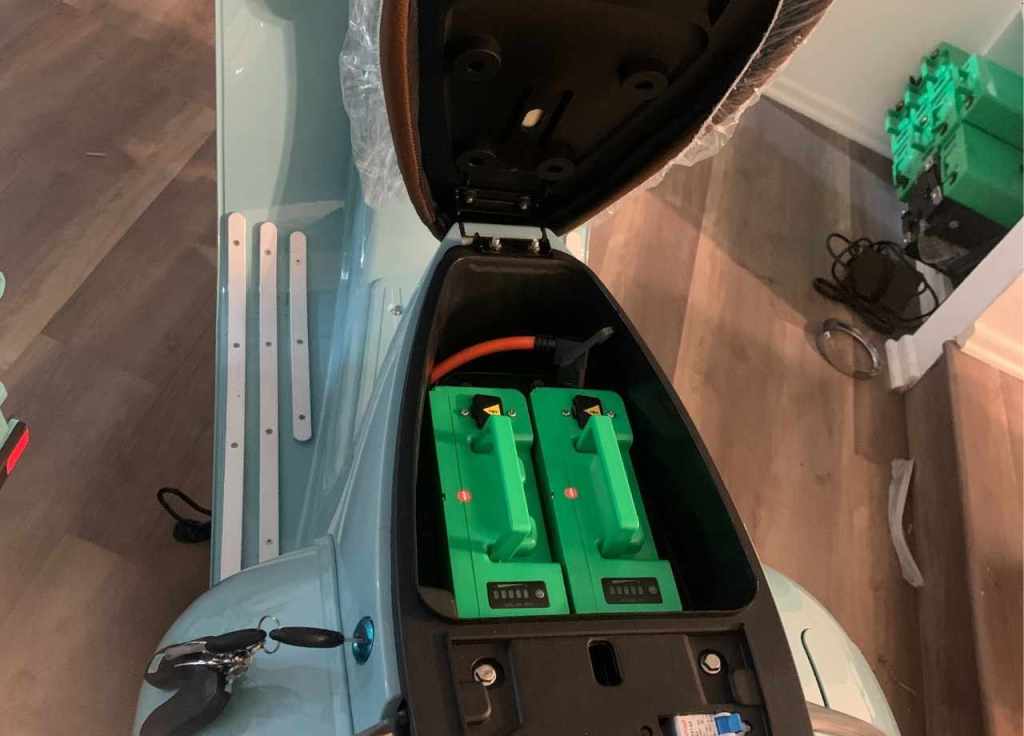
Electric Scooter Charging Cost Calculator: Understanding Your Savings
Owning an electric scooter is all about convenience and savings, right? You cruise through traffic, skip the gas station, and feel pretty good about shrinking your carbon footprint. But when the electric bill comes around, you might catch yourself wondering, How much does charging my scooter actually cost? Am I really saving as much as I think? That uncertainty can be frustrating, especially when the goal of switching to an electric ride was to simplify your life and cut expenses.
The good news? Figuring out the cost of charging your electric scooter is easier than you might think—and once you understand the math, you’ll likely feel even more confident about the choice you’ve made. Let’s break it down and explore how a charging cost calculator can bring some clarity to your wallet and peace of mind.
Why Knowing Your Charging Costs Matters
When you’re looking at any electric vehicle, knowing how much you’re spending to “fuel” it is crucial. While electricity is generally cheaper than gas, costs can vary based on where you live, the type of battery your scooter uses, and how often you charge it. A charging cost calculator simplifies all of this, giving you a realistic idea of what you’re spending per month or year.
Not only does this help you budget better, but it also helps you see the bigger picture: your total savings compared to traditional gas-powered transportation. Plus, there’s a little satisfaction in knowing exactly how much you’re spending—or saving—with every mile you ride.
The Basics of Calculating Charging Costs
At first glance, calculating charging costs might feel technical, but it boils down to a simple formula. You need to know three things:
Battery Capacity:
Measured in kilowatt-hours (kWh), this is the amount of energy your scooter’s battery can store.
Electricity Rate:
This is how much your utility company charges per kWh of electricity.
Charging Efficiency:
Some energy gets lost during charging, so not all the electricity you use ends up in the battery.
Here’s the basic formula:
Charging Cost = Battery Capacity (kWh) × Electricity Rate (cents/kWh) ÷ Charging Efficiency (%)
For example, if your scooter has a 1.5 kWh battery, your electricity rate is $0.12 per kWh, and your charging efficiency is 85%, the calculation would look like this:
Charging Cost = 1.5 × 0.12 ÷ 0.85 = $0.21 per full charge
Multiply this by how many times you charge your scooter each month, and you’ve got your monthly charging cost.
Factors That Affect Your Charging Costs
The formula is simple, but real life isn’t always as tidy. Here are some variables that can influence your final cost:

Electricity Rates:
If you’re in an area with time-of-use pricing, charging during peak hours can be pricier. Plugging in at off-peak times can save you money.
Battery Size:
Larger batteries cost more to charge, but they also take you farther on a single charge.
Charging Habits:
Topping off your battery every day uses less energy per session compared to letting it drain completely and doing a full recharge.
Charger Efficiency:
Older or less efficient chargers might waste more energy during the process.
Estimating Monthly Savings
To really feel the impact, compare your scooter’s charging costs with what you’d spend on gas for a similar commute. Let’s say you ride 10 miles a day, five days a week—a total of 200 miles a month.
An electric scooter with a range of 40 miles per charge would need about five full charges per month. Using our earlier calculation of $0.21 per charge, that’s just $1.05 per month.
A gas-powered scooter getting 60 miles per gallon would burn about 3.33 gallons for the same distance. At $3.50 per gallon, that’s $11.65 a month.
That’s a big difference over time. Even with higher electricity rates or a bigger battery, your savings add up quickly.
How a Charging Cost Calculator Helps
Here’s where a dedicated calculator can make life easier. Instead of doing the math yourself, you plug in a few details:
- Your scooter’s battery capacity
- Your local electricity rate
- How often you charge
The calculator spits out a detailed breakdown, often including total monthly costs and yearly projections. Some advanced tools even let you compare costs between multiple scooters, helping you choose the most efficient option for your lifestyle.
Using one of these calculators eliminates guesswork. It’s especially handy if you’re considering upgrading to a new model or moving to a new city with different electricity rates.
Tips for Reducing Charging Costs
While electric scooters are already cost-effective, there are a few tricks to save even more:
Charge During Off-Peak Hours:
Many utility companies offer lower rates late at night or early in the morning. Set a timer on your charger, and let it do the work while you sleep.
Invest in an Efficient Charger:
Some third-party chargers are designed to minimize energy loss, cutting down on waste.
Monitor Your Usage:
Keep an eye on how much electricity you’re using each month. If your bills seem higher than expected, you might need to adjust your charging habits.
Maintain Your Battery:
Proper maintenance can improve charging efficiency and extend battery life, reducing long-term costs.
The Long-Term Savings of Electric Scooters
It’s easy to focus on the small numbers, but the real beauty of electric scooters is the long-term savings they offer. Gas prices fluctuate, but electricity tends to stay more stable. Plus, with fewer moving parts, electric scooters typically require less maintenance than their gas-powered counterparts.
Let’s say you ride your scooter for five years, averaging 200 miles a month. Here’s a quick comparison:
Electric Scooter:
Charging costs at $1.05/month = $63 over five years.
Gas Scooter:
Fuel costs at $11.65/month = $699 over five years.
That’s a difference of $636—money you could spend on upgrades, accessories, or just about anything else you love.
Making Informed Choices
By understanding your charging costs, you can approach your electric scooter ownership with confidence. A charging cost calculator puts the power in your hands—literally and figuratively—helping you make smarter decisions and enjoy the ride even more.
When you know exactly what you’re saving, every mile feels like a win. So go ahead, plug in your numbers, and see just how much your scooter is helping your wallet (and the planet).