

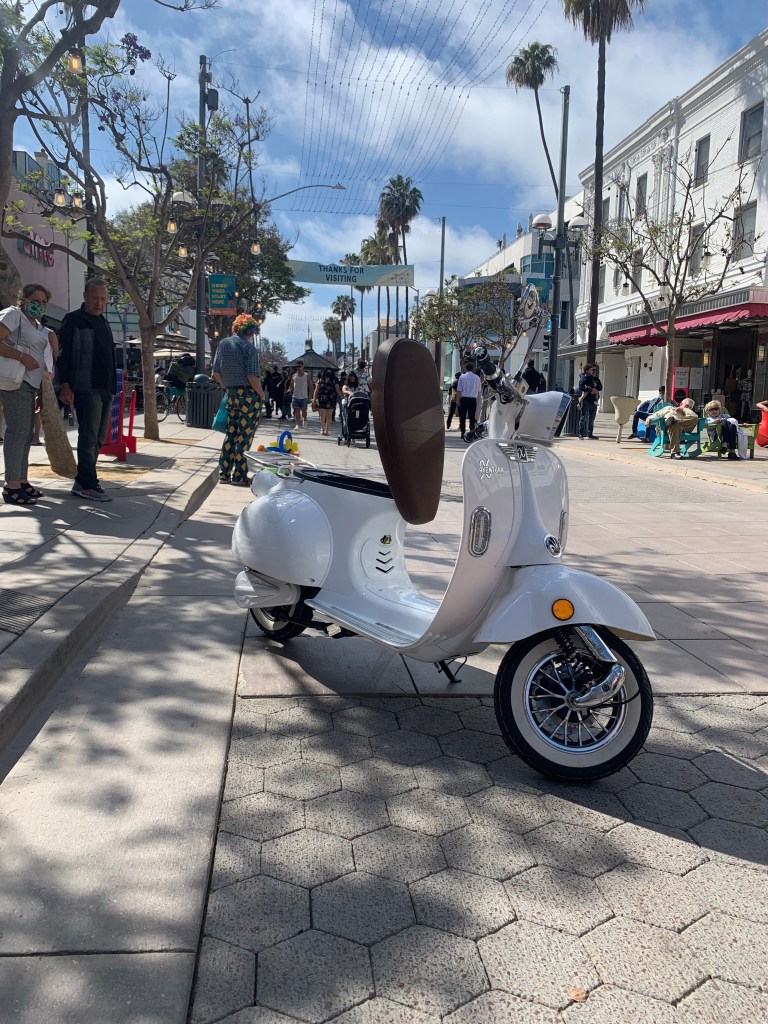
Electric Scooter Charging Station: How to Choose the Right One for Your Needs
Picture this: You’ve finally invested in an electric scooter, a sleek, eco-friendly way to zip around town. You’re thrilled with the freedom it offers—no more waiting for buses, no more worrying about gas prices. But now, you’ve got a new headache: figuring out the best way to keep it charged. The thought of being stranded mid-commute because your scooter died is enough to make anyone anxious. And with so many options for charging stations, each promising to be the “perfect solution,” how do you make the right choice without wasting time or money?
Let’s break it down, step by step, so you can pick a charging station that truly meets your needs, without the overwhelm.
Start by Understanding Your Scooter’s Charging Requirements
The first step is knowing what your electric scooter actually needs. Every scooter has a specific battery capacity and voltage, and this determines how much power it can handle at a time. Some models can accept fast charging, while others might get damaged by anything more than a standard trickle charge.
Look at your scooter manual (or check online specs) to confirm:
Battery voltage:
Usually measured in volts (V). Common ranges are 36V, 48V, or 60V.
Battery capacity:
Measured in amp-hours (Ah) or watt-hours (Wh), this tells you how much energy the battery can store.
Charger compatibility:
Make sure the charging station matches the scooter’s input requirements to avoid compatibility issues.
A mismatch between your scooter and the charging station can lead to slow charging, overcharging, or, worst-case scenario, a damaged battery.
Portability vs. Fixed Setup
Next, think about where you’ll do most of your charging. If you live in an apartment or move around a lot, portability will be a priority. Compact charging stations that you can easily carry in a backpack or store in a small space are a game changer for urban commuters.
On the other hand, if you have a garage or dedicated parking spot, a wall-mounted or floor-based charging station might be a better fit. These setups tend to be more powerful, faster, and offer added stability, but they’re not exactly convenient to lug around.
Charging Speed: Balancing Convenience and Battery Health
Everyone loves the idea of a fast charge—it’s tempting to go for the quickest option available. But here’s the thing: fast charging can degrade your battery over time if it’s not designed for it. The heat generated during rapid charging puts stress on battery cells, which can reduce their lifespan.
If you use your scooter for long commutes or need quick turnarounds, look for a station with adjustable charging speeds. This lets you fast charge when necessary but switch to a slower, battery-friendly option when you’ve got time to spare.
Safety Features You Can’t Ignore
A good charging station isn’t just about powering up quickly—it should protect your scooter and your peace of mind. Look for features like:

Overcharge protection:
Stops charging automatically when the battery is full to prevent damage.
Temperature monitoring:
Keeps an eye on heat levels to avoid overheating.
Surge protection:
Shields your battery from unexpected voltage spikes.
Water resistance:
Essential if your charging setup is exposed to the elements.
These features might not seem like a big deal at first, but they can save you from expensive repairs—or worse, a battery that won’t hold a charge anymore.
Cable Length and Plug Compatibility
Here’s a detail that’s easy to overlook until it’s too late: the cable length. A short cable might mean you’re awkwardly parking your scooter right next to the outlet, which isn’t always practical. A longer cable gives you more flexibility, especially if your charging station is mounted in a fixed location.
Also, check the plug type. Some stations come with proprietary connectors, which can limit your options if you upgrade your scooter later or need to charge a different model. Universal plugs or adapters are worth considering for long-term convenience.
Energy Efficiency and Smart Features
If you’re passionate about reducing your environmental impact, look for a charging station that’s energy-efficient. Many newer models have smart features like energy monitoring, which lets you track how much electricity you’re using.
Some stations even offer scheduling options, so you can charge during off-peak hours when electricity is cheaper and greener. Plus, these features can help you optimize charging to maintain battery health—another win for your wallet.
Durability and Build Quality
Let’s be honest—cheaply made chargers can feel like a great deal upfront, but they’re often a ticking time bomb. A poorly constructed station might break down after a few months or fail to meet safety standards.
Invest in a charging station with solid build quality. Metal casings, high-quality wiring, and strong connectors might cost more initially, but they’ll pay off in reliability and longevity.
Placement: Where Should You Set It Up?
If you’re going with a fixed charging station, location is everything. Make sure the area is:
Well-ventilated:
Batteries generate heat while charging, so airflow is crucial.
Dry:
Even water-resistant chargers are safer in covered areas.
Accessible:
You don’t want to be tripping over furniture or reaching into awkward corners every time you charge.
Solar-Powered Options: A Greener Alternative
If you want to go all-in on sustainability, consider a solar-powered charging station. These setups use solar panels to convert sunlight into electricity, which you can use to charge your scooter. While the initial investment is higher, they can save you money in the long run, especially if you live in a sunny area.
Keep in mind, though, that solar chargers may not work as well in cloudy climates or during winter months, so they’re best as part of a hybrid charging system.
Future-Proofing: Plan for Growth
Electric scooters are getting better every year, with higher-capacity batteries and more advanced features. The charging station you choose today should be able to keep up with future upgrades. Opt for one with adjustable settings or the ability to handle multiple scooter models, so you’re not stuck replacing it every time you switch rides.
Final Thoughts
Choosing the right electric scooter charging station isn’t just about convenience—it’s about protecting your investment and making sure your scooter stays reliable for years to come. By focusing on compatibility, safety, and long-term value, you’ll find a setup that fits seamlessly into your lifestyle, leaving you free to enjoy the ride.
Charging your scooter shouldn’t feel like a chore. With the right station, it can be as effortless as plugging in your phone—simple, efficient, and ready to go whenever you are.