

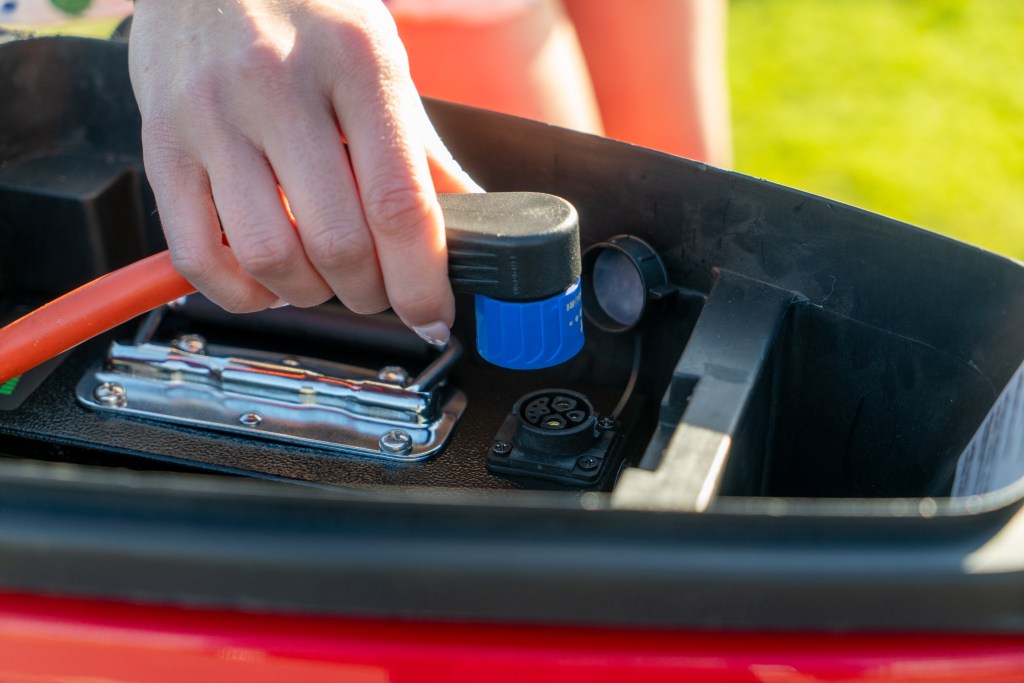
How Long Does It Take to Fully Charge an Electric Scooter?
Let’s talk about one of the most common questions people have when considering an electric scooter: charging time.
If you’ve ever been caught waiting impatiently for a device to power up, you know the frustration. Multiply that feeling when the device in question is your ride to work or the key to a fun weekend adventure. Charging an electric scooter isn’t just about plugging in and waiting—it’s a little more technical than that. But understanding how it works can save you time, money, and a lot of unnecessary battery anxiety.
The Factors That Influence Charging Time
Charging an electric scooter isn’t as simple as charging your phone, and the time it takes depends on a mix of factors that all come into play. Here’s what you should keep in mind:
Battery Capacity
The battery is the heart of any electric scooter. Its capacity is measured in watt-hours (Wh), which tells you how much energy it can store. A larger battery might give you more range, but it also takes longer to charge. For example:
A scooter with a 300Wh battery may take around 3–4 hours to charge.
A 1000Wh battery can take upwards of 8 hours with a standard charger.
The math is straightforward: the bigger the battery, the longer the charging time. However, the type of charger you use also plays a huge role, which brings us to the next point.
Charger Output
Scooter chargers have a power output, usually measured in amps (A) or watts (W). A higher output means faster charging. A standard charger might provide 2 amps, but you can often find fast chargers that deliver 5 amps or more. Keep in mind, though, that fast charging can generate more heat and stress the battery over time if not used sparingly.
Battery Chemistry
Not all batteries are created equal. Most modern electric scooters use lithium-ion batteries, which are efficient and lightweight. Charging times can vary slightly based on the specific type of lithium-ion chemistry, such as lithium iron phosphate (LiFePO4) or lithium nickel manganese cobalt oxide (NMC). These differences aren’t huge but can influence the longevity and safety of your battery as well.
Current Battery Level
Scooters typically charge faster when the battery is nearly empty and slow down as they approach full capacity. This is because of something called a “constant current/constant voltage” charging profile. The charger pumps in power quickly at first (constant current), then slows down as it nears full capacity (constant voltage).
Temperature and Environment
The ambient temperature where you charge your scooter matters. Charging in extreme heat or cold can affect the battery’s efficiency and safety. Most batteries perform best at room temperature, around 20–25°C (68–77°F). Charging outside this range might take longer—or worse, degrade your battery faster.
How Long Should You Expect to Wait?
A rough estimate for charging time is anywhere from 3 to 10 hours, depending on the battery size and charger used. Here’s a simplified breakdown:
- Small scooters (200–300Wh): 2–4 hours.
- Mid-range scooters (500–700Wh): 4–7 hours.
- High-performance scooters (1000Wh and above): 8–12 hours with a standard charger.
- Fast chargers can cut these times significantly but aren’t always recommended for daily use.
- Can You Charge Faster?
Short answer: yes, but be cautious. Fast charging is an option, but it’s not without trade-offs. Let’s unpack this.
Fast Chargers
Some scooters support fast chargers that can cut charging times by half or more. However, faster charging generates more heat, which can degrade the battery over time. Using a fast charger occasionally—for those moments when you’re in a hurry—is fine, but stick to the standard charger for day-to-day use to extend your battery’s life.
Avoiding “Top-Offs”
Many people are tempted to “top off” their battery frequently, but this can lead to unnecessary wear. Lithium-ion batteries have a limited number of charge cycles, so it’s better to let your scooter drain to around 20–30% before plugging it in.

Optimize Your Charging Environment
A little attention to detail can make charging more efficient. Use a well-ventilated space to avoid overheating, and stick to moderate temperatures for the best results.
Protecting Your Battery for the Long Haul
A scooter battery is a big investment, and proper care can make it last years instead of months. Here are a few tips:
- Avoid letting the battery drain completely: Lithium-ion batteries don’t handle 0% well, so recharge before hitting empty.
- Unplug after reaching full charge: Overcharging isn’t as big a problem as it used to be, thanks to smart chargers, but it’s still good practice to unplug once the battery is full.
Store with care: If you’re not using your scooter for an extended period, charge it to around 50–60% and store it in a cool, dry place.
Practical Scenarios: When Charging Time Matters
Let’s say you’re commuting to work and your scooter has a range of 20 miles. You come home with 30% battery left. If your charger delivers 2 amps, you’re looking at about 2–3 hours to top off.
Now imagine you’re planning a longer ride on the weekend. Your scooter’s 800Wh battery is at 10%, and you need a full charge. A standard charger might take 8 hours, which means overnight charging is your best bet. In this case, planning ahead is key.
The Waiting Game
Charging an electric scooter takes time, and while faster options exist, patience pays off if you want to keep your battery healthy. Think of it as part of the routine, like brewing your morning coffee or setting up your overnight charging station. It’s not just about filling up—it’s about building a habit that keeps your ride ready and your battery happy for years to come.
So, the next time you plug in your scooter, don’t just sit around staring at the battery indicator. Trust the process, use the downtime wisely, and maybe even enjoy the forced break. You’ll be back on the road before you know it!