

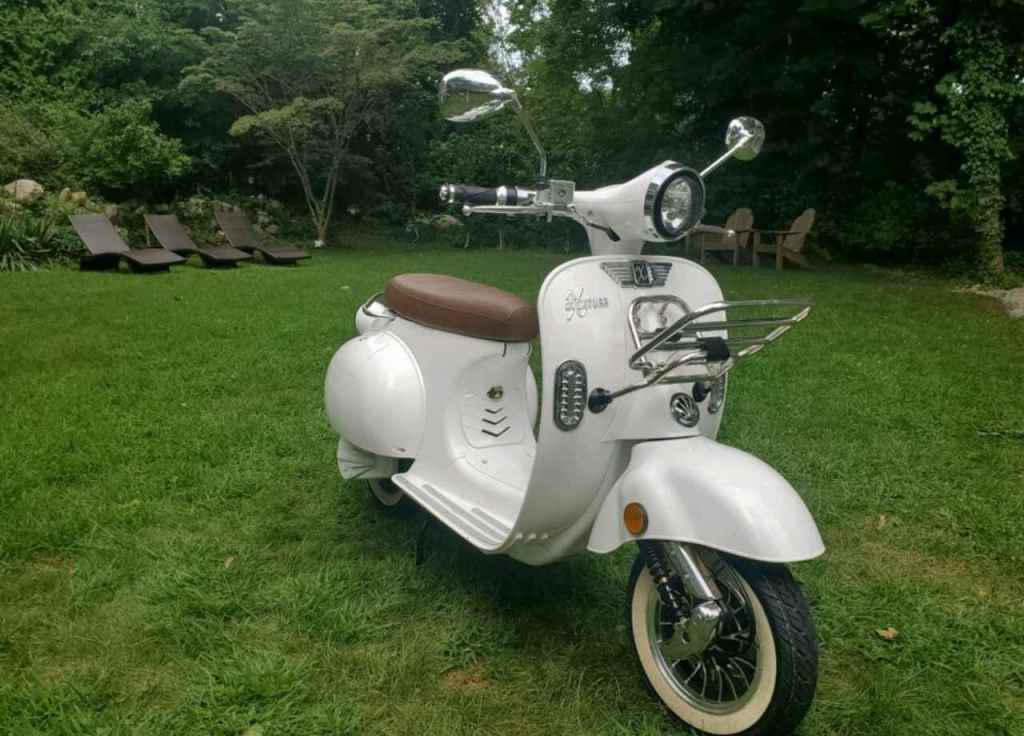
Do You Need a License for an Electric Scooter
You might be daydreaming about whizzing through your neighborhood, dodging rush hour, or just grabbing a quick errand with the breeze in your hair—without having to worry about parking or gridlock. You might also be wondering: Can I just pick up one of those sleek electric scooters and go? Or are you tangled up in paperwork, licensing, and confusing regulations? This post is meant to unwrap all that. We want you to ride with confidence, not confusion.
Why the Licensing Question Matters
It can feel like one of those “I thought it’d be easy—then I got bogged down” moments. You’re excited about ditching your car for something more eco-friendly, light, practical. Maybe you saw someone gliding by and thought, “Cool, that’s me next.” But wait… do I need to pass a test? Pay fees? Is the government going to flag me for a quick spin around the block? It’s like you’re ready to ride—then suddenly you’re tangled up in legalese. Let’s cut through that.

Licensing can mean different things in different places. Sometimes it’s a formal driver’s license. Sometimes it’s just you have to be a certain age or wear a helmet. Sometimes it’s nothing at all. Before you make your move, let’s unpack what licensing really involves—so you’re safe and legal, without any speed bumps.
Understanding Classifications
First things first, electric scooters fall into a range of categories depending on where you live. Broadly, they can land in one of these groups:
Personal mobility devices – think sidewalk speed, low-powered, small batteries.
Electric mopeds – faster, with pedals or throttle, often over 25 km/h (15 mph).
Recreational scooters – kick-start, low speed.
Why this matters: each category has its own rules. The quirkiest factor is that two scooters that look exactly the same can be treated totally differently based on how fast they go and where you ride them.
- Personal mobility often gets leniency. Usually no license, maybe a minimum age, and some regions might just require a helmet.
- Electric mopeds, since they can hit higher speeds, typically require things like registration, insurance, or even full-on driving license—like motorcycles.
- Recreational ones may fall somewhere in between, depending on design and local rules.
So before you buy or ride, check out your scooter’s top speed, motor power, and whether it fits on sidewalks or streets. That’ll tell you which bucket it might land in for the legal folks.
Licensing Requirements Around the World
This section shows you how various places treat electric scooters. Remember, this doesn’t cover every country—but it does paint the big picture.
Age restrictions (common everywhere)
In many places, you need to be at least 14–16 years old to ride. Younger kids? In some spots, no dice. Why? Because these scooters can go surprisingly fast, and safety is important. Know the age limit where you live.
Helmet laws
Even if you don’t need a license, helmets might be mandatory. In places where scooters are treated more like mopeds or bikes, you’ll need one. Don’t skip this: brakes fail, surfaces slip, and having that helmet can make a real difference.
License or permit needed?
Here’s the breakdown:
- Low-speed scooters (usually ≤ 20 km/h / 12 mph): often allowed with no license.
- Mid-speed scooters (~20–45 km/h / 12–28 mph): might need a basic license or moped permit, depending on region.
- High-speed scooters (>45 km/h / 28 mph): often treated like motorcycles—expect full licensing requirements and insurance.
Insurance & registration
Even without a license, some places want:
- Registration: like a sticker or tag that links the scooter to you.
- Insurance: liability coverage for mishaps.
This depends on rules in your area. Before you ride, check if you have to register or prove insurance.
Checking your Local Rules
Before hitting the road, you’ll want to know how your scooter is legally classified where you live. That will determine what kind of requirements you need to meet. Some scooters are treated like bicycles, others like mopeds, and others still like full-on motor vehicles. It usually comes down to speed and motor wattage.
Check if there’s a minimum rider age. Most regions have one, even for low-speed scooters. The age cutoff is usually around 14 to 16 years old. If you’re buying a scooter for a younger rider, that’s especially important to double-check.

Next, find out if your region requires a specific type of license or permit. Lower-speed scooters might not need anything beyond proof of age, but mid- to high-speed scooters may fall under moped or motorcycle rules.
Don’t forget helmet requirements. Even where a license isn’t needed, helmets often are—especially for younger riders or in city zones.
Some places require registration and insurance, especially for scooters that can reach street-level speeds. These rules are usually listed on local transportation authority websites or DMV portals. And if that sounds overwhelming, local scooter shops usually have a handle on these rules and can walk you through them.
What Happens if You Ride Unlicensed?
Let’s say you grab a fast scooter without checking regulations. You ride it, maybe cause a minor crash, or get pulled over. Possible consequences include:
- Fines (can be hefty depending on speed or damage)
- Confiscation of your scooter
- Increased insurance premium (or losing coverage rights)
- Obligatory courses or exams
- Legal proceedings if someone gets hurt
It’s not fun. That peaceful ride can quickly turn into a headache—just by skipping a few minutes of research.
Tips Before you Ride
- Know your scooter’s specs – note the top speed and motor output.
- Research your local rules – go to your government or transport authority’s site.
- Check if you need a license – and be aware which type (standard car license, moped permit, etc.).
- Prepare documents – license, registration, insurance proofs, helmet.
- Ride smart – keep it slow in pedestrian areas, respect right of way, and always ride defensively.
- Keep your eyes open – rules may change. Scooters are still new, and cities update laws quickly.
Real-life Edge Cases
Sometimes, rules aren’t straightforward:
- Power boost modifications: Adding a faster motor or removing speed limiters can push your scooter into a new legal category—so any modifications usually require you to follow tougher rules.
- Rentals vs. purchased: Shared public scooters may be insured/licensed by the operator—but you still obey local riding rules.
- Dual-mode rules: Some riders treat scooters like motor vehicles, skipping sidewalks and using streets. That might require extra safety gear, lights, or visibility accessories.
- International travel: Visiting another country? Their definitions of scooters may differ entirely. You might need documents or may be riding illegally without realizing it.
Safety Upgrades to Consider
Even if you’re licensed and legal, boosting safety is never a bad idea.
- Better brakes: Upgrading to disc or hydraulic systems for quicker stops.
- Lights and reflectors: Essential for nighttime riding or low visibility.
- Tires with grip: All-weather treads reduce slipping on wet or uneven surfaces.
- Protective gear: Gloves, knee pads, jackets with padding—it’s up to you how far you want to go.
- Anti-theft devices: Scooters get stolen easily. Even a simple lock can save you a headache.
These upgrades don’t change whether you need licensing—but they can keep you safer, which is worth it.
Final Word
You might not need a license for an electric scooter—if it’s low-power, slow, and your area categorizes it as a personal mobility device. Yet once you cross into higher speeds or power, you’re looking at registration, permits, possibly even a full-blown license like a motorbike. Helmet rules, rider age, insurance obligations—those all vary too.
That sense of freedom—that peaceful ride through your neighborhood or by the beach—is real. But its foundation relies on knowing the ground rules. Take stock of how fast your scooter goes, what your local laws say, and what kind of documentation you need. It’s a few minutes of checking that makes all the difference between a smooth ride and an avoidable hassle.
Your electric scooter adventure awaits. Now go ride smart, ride safe—and ride ready.