 America’s #1 Retro Electric Moped • Removable Battery • Free Delivery • From $94/mo • Street Legal


Is An Electric Scooter a Motorized Vehicle
Have you ever paused at the curve of a bike path or stood at a crosswalk, electric scooter in hand, and wondered, “Am I actually operating a motorized vehicle?” Maybe it’s the voice in your head that’s asking about laws, safety, or how others see you. Perhaps you’ve spotted a local sign that forbids motor vehicles, and you’re trying to figure out if your scooter counts. The same question might come up if you’re considering commuting, docking, or parking—especially when others insist your scooter rides in that gray zone. You’re not alone. Let’s unpack this in a clear, friendly way.
What Makes a Vehicle “Motorized”?
When we say “motorized,” we’re talking about any mode of transport powered by an electric or gas engine, rather than just muscle. Traditionally, motorized vehicles include cars, motorcycles, mopeds, and ride-share scooters that require a license. An electric scooter fits that definition technically: it has a motor, a battery, and delivers power beyond what your legs provide. Still, most modern micro-mobility laws—like those in cities and states—treat electric scooters differently from motorcycles or mopeds. The difference lies in factors like top speed, weight, and where you’re allowed to ride.
Because electric scooters usually have a max speed of 15–20 mph and weigh under 100 lbs, many legal frameworks classify them closer to bicycles or e-bikes. In practice, that means you may skip titles, registration, or complex insurance—though there’s often still a liability space you step into as soon as you ride with motor power.
Speed and Power: Key Factors
Speed is a big deal when defining what’s motorized. If your scooter goes faster than, say, 20 mph or 25 mph, some laws may start treating it more like a moped. That shift could bring requirements like driver’s licenses or mandatory insurance. Power comes into play too: a scooter with a motor capable of propelling you even over gentle inclines definitely qualifies as motorized. So if you’re zipping effortlessly along a hill, you’re operating a motor-assisted vehicle—even if it feels lighter than a bike.

Manufacturers often list nominal power in watts: 250 W is a common ceiling for legal sidewalk riding in many areas. Once that number climbs into 500 W or 750 W territory, you may cross a legal threshold, depending on local code. That’s why it’s smart to check both your scooter’s top speed and wattage in city regulations.
Where You can Ride Matters
The rules around where you’re allowed to ride matter just as much as what you ride. For example, sidewalks can be a no-go in many urban areas. Even if an electric scooter isn’t a traditional motor vehicle, it might be restricted on pedestrian paths for safety reasons. On the flip side, some cities let you ride in bike lanes, multi-use trails, or quiet local roads—especially when the scooter doesn’t exceed certain speed limits.
If your scooter behaves more like a mop, some bike‑only paths may close off to it. Park property, private community paths, and even private complexes may enforce motor‑vehicle bans. So before you hit “go” on Google Maps directions, take a quick look at a city’s micromobility or e-scooter policy for your timeframe.
Legal Definitions Vary
One of the trickiest things is that definitions differ from city to city, state to state, or even country to country. Some places lump e-scooters together with e-bikes or treat them like motorized stone sculptures—seriously, the language can vary that much. Others might have a special category for “electric personal assistive mobility devices.” Researchers and lawmakers are still catching up, and that can leave you scraping for context when you find signs or experience flash enforcement.
In some U.S. states, electric scooters under a certain wattage are classified as “electric bicycles” or “motorized scooters,” but those terms can shift. The important thing is to check city websites or local regulations before commuting—even if the scooter is small. A scooter that ticks the “motorized” box at one address may not back you into the same corner across town.
Why do the Rules Matter?
You might be thinking, “All this seems like red tape—why should I care?” Well, besides just following the law, classification affects your safety, insurance exposure, and public perception. If you’re treated like a motor vehicle, insurance could come into play after an accident. If you’re ineligible to ride on a bike trail but do so anyway, you could face fines—or worse. Over time, stricter policies could influence infrastructure planning, signage, and even funding for safer roads and scooter lanes.
Classifying your ride correctly also sets expectations for other road users. If drivers or pedestrians see you operating like a motorbike, they may respond defensively or even aggressively if your scooter acts like one. Being cautious, visible, and predictable helps a lot there.
Safety: Beyond Legal Labels
Whether you’re classified as a motorized or non‑motorized rider, safety should always be front and center. Helmets are the obvious place to start, even where they aren’t legally required. But we’ve all seen a mix of gear choices—sometimes not the best. Reflective clothing, lights front and rear, and even signal flags can elevate your visibility. A small mirror on your handlebar or wrist-mounted turn lights help drive better behavior too.
Keep your speed sensible for the environment you ride in. Even if your scooter can hit 20 mph, that’s risky on narrow sidewalks or crowded bike paths. Good throttle control and emergency braking practice give better results than blaming the machine.
Insurance & Liability
Here’s where the classification could hit your pocket. In many places, if you’re deemed a motorized vehicle, you’ll need at least basic liability coverage. That coverage may not be mandatory, but without it, if you accidentally cause injury or damage someone else’s property, you could be financially on the hook—even in a minor bump.
Some insurers offer add-ons for e‑scooters to a homeowner’s or renter’s policy. That’s worth checking, even if you’re not required by law, just to protect yourself. If your ordinary policy doesn’t cover it, look at personal umbrella coverage or add-ons under micromobility niche providers.
Design and Features: Where Scooter Meets Motor Vehicle
Daily ride experience is where technology shines. Modern scooters offer regenerative braking (a lightweight hint of what you see in electric cars), built-in suspension, or tires designed to soak up potholes—all nods toward vehicle design. Some grow even more advanced, with dual motors, seat attachments, smartphone apps, ride tracking, and anti-theft alarms. That’s pretty close to what small electric motorcycles provide, other than the frame size.
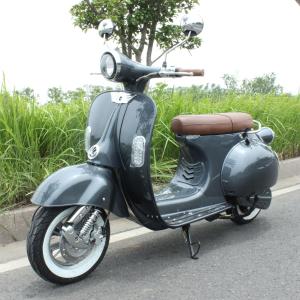
Yet for all that complexity, scooters still feel nimble and light. That means less ridership strain and a friendlier physical interface. So even though motorized in legal terms, the user experience leans personal, portable, and fundamentally different.
Future of Classification & Infrastructure
Cities are still catching up. As scooters pop up in more places, designers and planners are seeing fuel savings, medical costs reduction, and traffic relief. That’s led to proposals for dedicated scooter lanes, charging zones, and even microtransit hubs in some neighborhoods. As infrastructure grows, the rules might shift again—maybe separating scooters by speed or revising “motor vehicle” definitions.
Manufacturers may preempt change by offering speed limiters or geo-fencing. So the scooter you buy today could feel like a pseudo-bicycle in one city and a slow‑poke moped in another. That’s part of the charm and chaos in this still-new era.
Tips before Buying or Riding
Check the local rules: A quick scan of your city or state’s micromobility policy goes a long way. Different thresholds on speed and power could decide whether you can dock, park, or ride at all.
Match scooter specs to what you’ll do: If you’re only heading to the store, 250 W is likely enough. Planning highway-adjacent commuting? Maybe a higher-powered model—but only if local laws permit.
Gear up responsibly: Safety gear isn’t just for serious riders. A basic helmet, lights, and decent brakes go a long way.
Understand insurance options: Even if coverage isn’t required, it can be a lifesaver after an accident. Think beyond the instant freedom thrill.
Test in safe places first: Before tackling city traffic, ride in an empty parking lot or pedestrian park. Learn how your scooter behaves at different speeds and how it stops or slows.
So, is an Electric Scooter a Motorized Vehicle?
Yes. Technically you’re operating a motorized vehicle whenever the motor does most of the work. But how the law treats it depends on local speed, power, and design thresholds. Speeds up to around 20 mph, light weight, and using bike‑oriented infrastructure often means you’ll be judged closer to a bicycle. Zoom past certain limits and you might just find yourself grouped with mopeds or motorcycles, with everything that goes along with that—from licensing to insurance.
Final Thoughts
What often trips us up isn’t the scooter itself—it’s what happens around it. The curves in policy definitions, the signs at the skate park, the unspoken expectations of drivers or walkers. That’s why the ideal scooter journey springs from understanding that space. If you go in prepared—checking specs and regulations—you can enjoy the effortless buzz of an electric ride without worry. Think of it as embracing a new kind of personal transport: motor‑powered, yes, but still under your control—compact, accessible, a bit adventurous, and, when handled responsibly, a lot of fun.
Riding an electric scooter today is like being part of an experiment on what personal travel could be. It’s up to us to make it steady, safe, and respectful—so we can shape how these rides fit into our streets and routines.