


Recreational Scooter Buyer’s Guide: Choosing the Best Scooter for Fun and Leisure
There’s something timelessly thrilling about hopping on a scooter and feeling that breeze as you zoom around the neighborhood or a scenic park path.
Scooters aren’t just for kids; they’re a go-to choice for adults seeking a casual, fun way to move. Whether you’re looking for an easy way to get around town, a compact option for vacation, or a fun weekend toy, choosing the right scooter is key to maximizing your enjoyment. But where do you even start with all the options out there?
Let’s break down what you need to know to find a recreational scooter that fits your lifestyle, riding style, and comfort level. From the mechanics of how they operate to the various types available, getting acquainted with the features that really matter can make all the difference.
Kick Scooters vs. Electric Scooters: What’s Your Speed?
Recreational scooters come in two main flavors: kick scooters (the classic manual kind) and electric scooters. Kick scooters are great if you want a more traditional, low-maintenance ride that’s all about leg power and simplicity. They’re usually lightweight, easy to fold, and ideal for short distances or flat terrain. With a kick scooter, you’re in control of the speed—there’s something empowering about pushing yourself along and feeling the pavement underfoot.
On the other side, electric scooters offer a boost in speed and convenience. These come with a motor, battery, and a throttle to get you moving without much physical effort. Electric scooters range from models that reach speeds up to 10-15 mph, perfect for leisurely rides, to more powerful ones that go 20+ mph. This is important if you plan on using the scooter for commuting or want the option to cruise for longer distances.
When choosing between kick and electric, think about where you’ll be riding most often. For crowded areas or short joyrides, a kick scooter may do the trick. But if you want something that can handle longer distances without much leg strain, electric might be the way to go.
Wheels: The Foundation of Your Ride
Scooter wheels may not be the first thing that comes to mind, but they have a huge impact on how smooth and enjoyable your ride will be. Wheels on recreational scooters generally range between 100mm and 250 mm in diameter. Smaller wheels are more agile and make sharp turns easier but can feel bumpy on rough terrain. Bigger wheels, on the other hand, offer a more stable and cushioned ride, especially over cracks and uneven pavement.
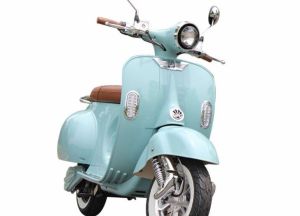
In terms of material, most wheels are made of polyurethane (PU), which is durable and provides good traction on smooth surfaces. However, if you’re looking at electric scooters or want to ride on rougher paths, pneumatic (air-filled) tires can be a better choice since they absorb bumps better.
Deck Size and Shape: Finding the Right Foot Room
The deck is where you’ll be standing, so don’t overlook the size and shape. For leisurely cruising, a wider deck gives you more stability and comfort, allowing you to shift your feet as you ride. Smaller, narrower decks make scooters lighter and easier to carry but can feel cramped on longer rides.
Decks also come in different shapes, with some being flat and others curved. A curved or slightly concave deck can give you better balance, especially when making turns, as it naturally keeps your feet more centered. Flat decks, on the other hand, are typically easier to clean and can be more comfortable for people who want to adjust their stance frequently.
Handlebar Height and Adjustability
Having the right handlebar height can be the difference between a comfortable ride and constant back strain. Ideally, handlebars should sit around waist level when you’re standing on the deck. Adjustable handlebars are great because they allow you to change the height to match your body and riding preferences, or to share the scooter with friends and family of different heights.
Fixed handlebars are typically lighter and more durable, but can be a limiting factor if the height isn’t ideal for you. Make sure to stand on the scooter and grip the handlebars before you buy, to check if it feels natural and allows for relaxed posture. Some scooters even come with handlebars that fold down, which is perfect for those who need to store it in tight spaces or take it on public transportation.
Suspension: Smooth Out the Ride
If you’re planning to cruise on smooth sidewalks, you may not need much suspension. However, if your routes include bumpy paths or uneven terrain, consider a scooter with suspension. Front, rear, or dual suspension systems can make a big difference by absorbing shock, which leads to a more comfortable ride and less stress on your wrists and knees.
Front suspension is usually enough for light cruising, while rear suspension can help if you anticipate hitting a lot of bumps. Dual suspension is common on higher-end electric scooters and is the most effective, but it often comes with additional weight and a higher price.
Foldability and Weight: Portability Matters
Not everyone thinks about the importance of portability when they’re picking out a scooter, but if you plan to carry it or store it in tight spaces, a foldable, lightweight model is a game-changer. Kick scooters are generally easier to fold and lighter than electric ones, which often come with added weight from the motor and battery.
Foldable scooters are easy to store in a trunk or carry onto a train, making them a popular choice for city dwellers. Just be sure to check the folding mechanism. Some scooters fold with a quick-release latch, while others may have more complicated systems. Look for something that you can comfortably fold and unfold without much hassle.
Braking Systems: Staying Safe at All Times
Scooters come with different types of brakes, and the choice really depends on how fast you’re going and the kind of control you want. Kick scooters often have a rear foot brake, where you press down on the back fender with your foot to slow down. This style is simple and effective for low-speed rides.
Electric scooters, given their higher speeds, typically come with either hand brakes (similar to bicycle brakes) or electronic brakes. Hand brakes give you more precise control, especially on hills or in areas with pedestrian traffic. Some models even come with regenerative braking, which uses the motor to slow you down and recharge the battery slightly—an eco-friendly bonus.
Consider how comfortable you are with each braking style. If you’re used to bikes, hand brakes might feel more natural. Foot brakes, on the other hand, are intuitive and often require less maintenance.
Battery Life and Charging (For Electric Scooters)
If you’re going electric, one of the most crucial things to consider is battery life. Most recreational scooters have a battery life that allows for 10-20 miles on a single charge, but this varies with speed, rider weight, and terrain. Look for a battery that will last through your usual route without needing a recharge midway.
Charging times range from 3 to 8 hours, depending on the battery capacity. Some scooters offer quick-charge capabilities, which is a great feature if you plan to use the scooter frequently. And if you know you’ll need longer distances, check if the model has swappable batteries, so you can keep a backup ready for longer rides.
Weight Limit: Match the Scooter to the Rider
Most scooters specify a maximum weight limit, and it’s important to choose one that suits you. Exceeding the limit can affect stability, battery life (for electric models), and overall durability.
Many adult scooters have a limit between 220-260 lbs, though some heavier-duty models can accommodate up to 300 lbs or more.
Price vs. Features: Finding the Right Balance
While high-end scooters come packed with advanced features like dual suspension, regenerative braking, and high-capacity batteries, it’s worth considering what features you actually need. For simple recreational use, a basic model might be just as enjoyable, with less cost and weight. But if you’re eyeing longer distances or rougher terrain, some of the extras might be worth it for the added comfort and durability.
The Right Scooter for You
There’s no one-size-fits-all when it comes to recreational scooters. The best choice depends on what brings you the most joy in your rides—whether it’s a relaxing cruise along a beach, a zippy commute through city streets, or an adventurous jaunt on a forest path. By considering the basics—manual or electric, wheels, deck size, portability, braking, and battery—you’re setting yourself up for a scooter experience that’s tailor-made for your lifestyle.
Take your time to think through each feature, and even try out a few models if possible. When you’re rolling on a scooter that fits your needs, the ride becomes a lot more than just transportation; it’s pure fun on wheels.