

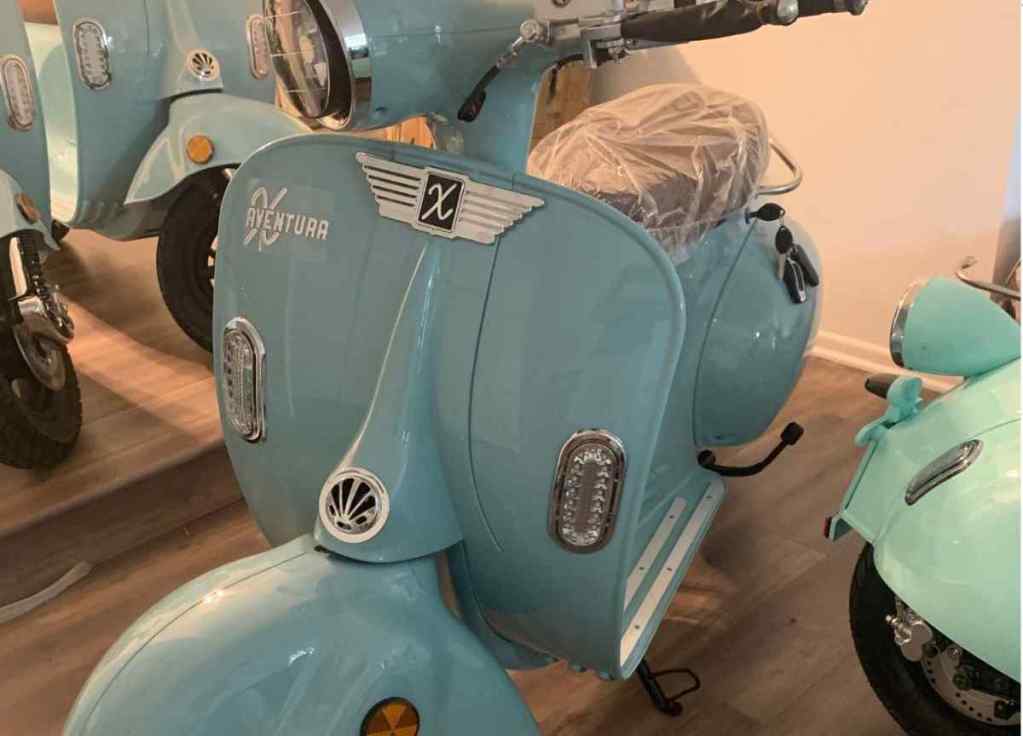
How to Fix an Electric Scooter
If you’re reading this, chances are your electric scooter just stopped cooperating. Maybe it won’t start. Maybe it’s making weird noises. Maybe the throttle’s acting up or the brakes are feeling squishy. Whatever the issue, it’s frustrating. You didn’t sign up for a mystery puzzle—you just wanted a smooth, eco-friendly ride to work or the park or the coffee shop. And now, instead, you’re googling “how to fix an electric scooter” and wondering if it’s even worth it.
You’re not alone. Plenty of electric scooter owners run into problems, especially as their scooters get more miles on them. But here’s the good news: you don’t need to be a mechanical genius or have a garage full of tools to get things back on track. With a bit of time, some basic gear, and a willingness to tinker, you can fix most common issues yourself—no need to pay someone else or toss your scooter into a landfill. Let’s walk through it together.
Start with a Proper Check-Up
Before grabbing any tools, start with a basic inspection. Sometimes what seems like a complicated failure is just a loose cable or a setting that got reset.
Here’s what to check first:
- Is the scooter turning on at all? If not, you could be dealing with a battery or power switch problem.
- Are there any error codes or flashing lights on the display? Many scooters have built-in diagnostics.
- Is the throttle responsive? If not, it might be disconnected or damaged.
- Are the tires flat or under-inflated? A low tire can make it feel like the motor’s struggling.
- Does anything smell like burning plastic? That’s never a good sign.
Make a note of anything odd. The goal is to figure out what’s working and what’s not before jumping into repairs.
When the Scooter Won’t Power On
This is probably the most alarming issue—and surprisingly, it’s usually not the worst. Power problems tend to boil down to one of three things: the battery, the wiring, or the power button itself.
First, make sure the scooter is fully charged. Sometimes the charger port isn’t fully seated, or the charger itself is faulty. If the charger light doesn’t change color or if it stays blinking forever, try borrowing another one if possible.

If the battery is definitely charged and it still won’t turn on, check the wiring around the power button and battery compartment. Loose connectors, frayed wires, or moisture can all cause a short. Look closely—especially near bends in the wire where insulation might wear down.
Still nothing? A multimeter can be handy here. If you’re getting power from the battery terminals, the battery’s good. If you’re not, you might have a dead cell or battery management system issue. Batteries can be replaced, though some are easier than others depending on your scooter’s design.
Throttle or Motor Issues
If your scooter turns on but doesn’t go anywhere, focus on the throttle and motor.
Start with the throttle. These are usually controlled by a small electronic sensor connected to the handlebars. Check if the throttle feels stiff, loose, or totally limp. If it’s not responding at all, try disconnecting and reconnecting it—those connectors can come loose with time and vibrations.
The motor itself is harder to diagnose, but if you’re hearing clicks or grinding sounds, that could be a sign of internal damage or a misaligned gear. A stuck or dragging wheel could also point to motor or brake issues.
If everything looks clean but the motor won’t engage, check your controller—the little box that distributes power between the throttle, battery, and motor. These can burn out, especially in cheaper models or during wet rides. Replacing one isn’t too hard if you can find a compatible part, but make sure you label wires carefully or take photos before removing anything.
Brake Problems
Electric scooters usually use either mechanical disc brakes, electronic brakes, or drum brakes. If your braking suddenly feels weak or sticky, it’s worth checking before riding again.
Mechanical disc brakes need occasional tuning. If you squeeze the brake lever and nothing happens, the cable might be too loose. You can adjust it using the barrel adjuster (usually near the handle) or at the caliper on the wheel.

If the brake feels too tight or drags even when you’re not pulling the lever, the pads could be misaligned or worn down. Check for uneven wear or gunk stuck between the pads.
Electronic brakes can be trickier—they depend on signals from the controller and often have no moving parts. If they fail, it could be a software glitch or controller issue. A reset sometimes helps, and on certain models, you can calibrate the brakes using the onboard settings.
Flat or Worn Tires
Tire trouble is probably the most common scooter issue, and thankfully, one of the easiest to fix.
If your scooter uses pneumatic (air-filled) tires, carry a pump and check pressure regularly. Low pressure doesn’t just slow you down—it makes the motor work harder, which drains the battery faster and adds wear to other parts.
If you’ve got a flat, some scooters let you replace the tube easily with basic tools, while others require more teardown. Foam-filled or solid rubber tires are more resistant to punctures but can feel harsh and wear unevenly.
Also, keep an eye on the tread. If the tire’s bald or cracked, replace it. Grip is your best friend when braking or cornering, especially in wet weather.
Strange Noises or Vibrations
Clicks, rattles, hums—scooters make all sorts of sounds, and not all of them mean trouble. But if you hear something new or it gets louder with speed, don’t ignore it.
Loose bolts are often the culprit. Go around the scooter and tighten everything, especially on the handlebar stem, wheel hubs, and folding mechanism if you have one.
A misaligned wheel can also cause vibrations. Spin each wheel freely and watch for wobble. If you see it pulling to one side, the axle may be bent or the bearings might need grease or replacement.
If you hear grinding from the motor area, stop riding immediately and open it up. It could be debris stuck inside or worse—damaged gears or magnets. Letting it ride out can lead to much more expensive damage.
Water Damage
Scooters and puddles don’t mix well. Even models labeled as water-resistant have weak spots—usually in the wiring harness or around the display.
If your scooter stopped working after getting wet, dry it out thoroughly. Open up the battery and controller areas if you can, and let them air out for a day or two. Use a hairdryer on a cool setting to speed things up, but avoid direct heat on the battery pack.
If you’re lucky, it’ll come back to life. If not, corrosion may have already done its thing. You might be able to clean affected connectors with rubbing alcohol and a soft brush, but if the board itself is fried, you’re probably looking at a replacement.
Routine Maintenance to Prevent Bigger Problems
Even if your scooter’s running fine, it’s worth giving it a quick once-over every couple of weeks. Just like with bikes or cars, the small stuff adds up. A few things to stay on top of:
- Keep the tires inflated to the recommended PSI
- Check and tighten bolts, especially around high-stress areas
- Clean the deck, wheels, and motor area to prevent gunk buildup
- Avoid charging outdoors or in humid areas
- Store it indoors when possible—away from rain, cold, or direct sunlight
When to Call in a Pro
DIY fixes are great—until they’re not. If you’re dealing with a fried controller, a battery that won’t charge even after trying everything, or recurring issues that don’t make sense, it might be time to get help.
Some shops specialize in electric scooters now, and many repairs are way cheaper than replacing the whole scooter. Just make sure they have experience with your model and ask about parts warranties.
Final Thoughts
Fixing an electric scooter might sound intimidating at first, especially if you’re not used to cracking open electronics or messing with wiring. But most common problems aren’t rocket science. With some patience, a few tools, and the willingness to troubleshoot one step at a time, you can bring your scooter back to life—and learn a few useful skills in the process.
Just take it slow, stay curious, and remember: even if you mess up, you’re still doing better than tossing it in a dumpster.