

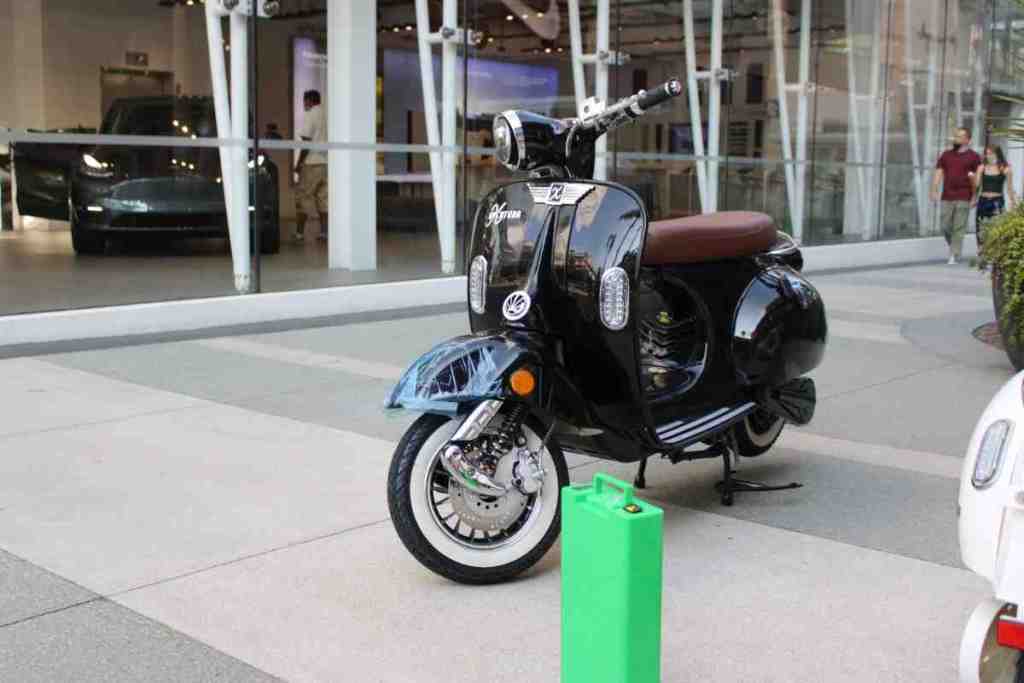
How Electric Moped Range Is Measured (And How to Maximize Yours)
You finally took the leap into electric transport—or you’re about to—and there’s one question that keeps popping up: How far can I actually go on a single charge? It’s the kind of thing that nags at you before a commute or a weekend ride. Sure, the spec sheets shout out “60 miles per charge!” but then you hear from someone who barely got 35. Confusing, right? And honestly, a little frustrating when you’re counting on your moped not to leave you stranded halfway home.
You’re not alone. Range anxiety isn’t just some fancy marketing term; it’s real, especially when your day depends on reliable, predictable transportation. So today, let’s get into how electric moped range is actually measured—and more importantly, what you can do to squeeze every last bit of juice out of your battery.
What “Range” Really Means for an Electric Moped
When a manufacturer claims a certain range for a moped, it’s usually based on controlled testing under ideal conditions. Think: a lightweight rider, a freshly charged battery, perfect weather (not too cold or hot), riding on flat, smooth roads at a steady and moderate speed. Pretty much the opposite of how most of us actually ride.
Here’s the kicker—range estimates can vary wildly depending on real-world factors. It’s a lot like the “miles per gallon” sticker on a gas car. You’ll almost never hit the maximum number unless everything lines up perfectly.
Manufacturers usually follow one of a few common standards or their own internal tests to calculate range. Some might use a constant-speed test at 25 mph; others might factor in some starts and stops. But unless a brand clearly outlines their testing method, it’s safe to assume the listed range is a “best case” number.
Factors That Affect Your Electric Moped’s Range
Understanding what eats up your battery will save you a lot of headaches down the road (literally). Here’s what makes the biggest difference:
Rider Weight
The heavier the load, the harder the motor has to work. This doesn’t just mean the rider—it includes any cargo you’re carrying too. Extra pounds = extra drain on the battery.
Riding Style
If you’re heavy on the throttle, accelerating hard from stops, or riding at top speed constantly, you’ll chew through your battery faster. Smooth, steady riding can easily stretch your range by 20% or more.

Terrain
Flat streets are a moped’s best friend. Hills? Not so much. Climbing requires more power, which drains the battery quicker. Even small inclines add up over time.
Speed
Electric motors are most efficient at moderate speeds. Going full blast drains the battery way faster than cruising at a sensible pace. There’s a sweet spot, usually somewhere between 20–30 mph, where efficiency is best.
Weather
Batteries don’t love extreme temperatures. Cold weather can seriously lower your range (sometimes by 30–40%). Super hot days aren’t great either, though the impact isn’t quite as brutal.
Tire Pressure
Low tire pressure creates more rolling resistance, making your motor work harder and burn more power. A small thing like keeping tires properly inflated can make a surprisingly big difference over the long run.
Regenerative Braking
Some electric mopeds come with regenerative braking systems that recover a bit of energy when you slow down. It’s not a magic solution—you won’t recharge your battery like plugging it into a wall—but it can slightly extend your range, especially if you do a lot of stop-and-go riding.
How to Get the Most Out of Every Charge
Once you know what affects your range, you can start stacking little habits that add up to serious savings on your battery life. Here are some easy ways to ride smarter:
Go Easy on the Throttle
Smooth and steady wins the range race. Instead of blasting off every time the light turns green, accelerate gradually. Your battery (and your nerves) will thank you.
Stick to Moderate Speeds
The temptation to max out the motor is real. But keeping your speed moderate will seriously stretch your range. Bonus: it’s usually safer too, especially in urban areas.
Maintain Tire Pressure
Check your tire pressure once a week. It takes two minutes, costs almost nothing, and can boost your efficiency noticeably.
Lighten Your Load
Leave unnecessary cargo at home. You don’t need to carry three bags of groceries, your gym gear, and a 5-pound lock if you’re just cruising to the park.
Watch the Weather
If you have the option, plan longer rides on milder days. Cold snaps can seriously wreck your range, so bundle up—and plan for shorter trips when temperatures drop.
Keep Your Battery Healthy
Treat your battery right: don’t let it drain completely, charge it regularly, and avoid leaving it plugged in for days at a time. Just like taking care of a houseplant, a little attention goes a long way.
How Range Varies Between Different Mopeds
It’s worth mentioning that not all electric mopeds are built the same way. Some are designed for city commuting with smaller motors and lighter frames. These tend to have shorter ranges but better efficiency at lower speeds. Others are made for faster travel, with beefier motors and larger battery packs, sacrificing some range for speed and power.
Another important thing: battery size isn’t the only story. Two mopeds with the same size battery (say, 60V 20Ah) can have different ranges if one is heavier, has wider tires, or uses a less efficient motor. So don’t just shop based on the biggest battery spec—look at the whole setup.
How To Estimate Your Own Real-World Range
If you want a better idea of your personal moped range, there’s a simple method:
- Charge your moped fully.
- Ride your typical commute or a familiar route.
- Track the miles traveled and the battery percentage used.
- Do a little math. If you used 50% of your battery to travel 20 miles, you can expect roughly 40 miles total under similar conditions.
It’s not perfect, but it’s way more accurate than relying on a generic factory number.
Future Tech That Might Improve Range
Battery technology is always moving forward. Solid-state batteries, for instance, promise better energy density and longer life, though they’re not mainstream yet for mopeds. Motor efficiency is improving too, which means new models could go further without needing massive, heavy batteries.
Charging infrastructure for electric two-wheelers is also growing (slowly but surely). Faster, smarter chargers could help extend usable range by making quick top-ups easier and more practical.
But honestly, right now, the biggest gains still come from smart riding and simple habits rather than waiting for futuristic tech.
Final Thoughts
The range of an electric moped isn’t a set-it-and-forget-it number. It’s a living, breathing thing that changes depending on how you ride, where you ride, and even what you had for breakfast (okay, maybe not the breakfast part, but you get the idea).
Once you understand what’s really going on under the hood—or in the battery—you can plan smarter, ride longer, and enjoy the freedom that electric mopeds offer without the stress of running out of juice halfway home.
And let’s be honest—once you start paying attention to these little tweaks, riding gets a lot more fun. It feels less like battling against your machine and more like teaming up with it.