 America’s #1 Retro Electric Moped • Removable Battery • Free Delivery • From $94/mo • Street Legal


Gas Powered vs. Electric Mopeds
If you’re reading this, chances are you’ve been weighing the pros and cons of two very different rides: the familiar gas-powered moped and the newer, cleaner electric version. Maybe you’re tired of rising fuel costs every time you hit the pump. Maybe the noise and fumes of your current ride make you feel guilty when you zip past pedestrians. Or maybe you’re just wondering if an electric moped can really keep up with your daily commute without leaving you stranded. The decision isn’t as simple as “which is faster” or “which looks cooler.” It’s about how each option fits into your lifestyle, your budget, and your values.
Performance and Speed
Gas-powered mopeds have a long-standing reputation for steady power output and higher top speeds compared to many entry-level electric models. The combustion engine delivers a familiar growl and an immediate punch when you twist the throttle, which appeals to riders who enjoy the feel of mechanical muscle under them. For those who often ride on highways or need to maintain higher speeds for longer stretches, a gas-powered option can still feel like the safer bet.
Electric mopeds, on the other hand, have improved drastically in recent years. Many models now offer acceleration that rivals—or even surpasses—gas mopeds in the 30–50 mph range. They also deliver torque instantly, which makes them surprisingly quick off the line in city traffic. While their top speeds might still trail behind high-performance gas mopeds, for urban riders navigating stop-and-go conditions, the quick response of an electric motor can feel more agile and less fatiguing.
Range and Refueling
One of the most obvious differences between gas and electric mopeds comes down to how you keep them running. Gas mopeds can be refueled in minutes at any station, and their range typically extends beyond 100 miles on a single tank. This makes them ideal for longer rides, unpredictable schedules, or areas where charging stations are scarce.
Electric mopeds rely on battery capacity, which varies widely by model. Many offer ranges between 30 and 80 miles per charge, though higher-end options can exceed 100 miles. The trade-off is that “refueling” requires charging time—anywhere from a couple of hours with a fast charger to overnight with a standard outlet. For someone commuting 10 miles a day, this isn’t a big deal. For riders planning full-day trips without access to charging, it can be a limitation.
Battery swapping is becoming more common in some markets, which eliminates long wait times, but availability is still limited depending on location. If your daily routine is predictable, an electric moped’s range can be more than enough. If your days often end with “just one more stop” twenty miles away, you’ll need to plan ahead.
Maintenance and Reliability
Gas mopeds come with moving parts, fluids, belts, filters, and exhaust systems that require regular attention. Oil changes, spark plugs, carburetor adjustments, and occasional engine repairs are part of the deal. For mechanically inclined riders, this isn’t necessarily a burden—it’s just part of owning a gas vehicle.
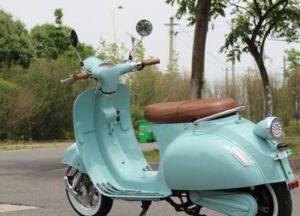
Electric mopeds are mechanically simpler. With no oil, exhaust system, or carburetor, there’s less that can go wrong. Maintenance typically comes down to brakes, tires, lights, and battery health. The motor itself requires little to no servicing. That doesn’t mean electric mopeds are maintenance-free—battery replacement can be a significant cost after several years—but in terms of day-to-day upkeep, they’re generally less demanding.
Noise and Ride Experience
Riding a gas moped means living with its engine sound—a low rumble at idle and a steady buzz at speed. Some riders love it. It feels alive, mechanical, and present. Others find it tiring, especially on longer rides or in quiet neighborhoods where it draws attention.
Electric mopeds are nearly silent except for tire noise and a faint whir from the motor. This makes for a calm ride and lets you hear what’s happening around you in traffic. The downside is that pedestrians and cyclists might not hear you coming, so you’ll need to be more proactive with your horn or presence on the road. The quieter ride also changes the “feel” of moped ownership—it’s less about the roar of the engine and more about smooth, effortless motion.
Environmental Impact
Gas mopeds burn fuel, which produces carbon emissions and contributes to air pollution. Even though they use far less fuel than cars, the per-mile emissions are still significant when compared to electric. Plus, small combustion engines often have less effective emission control systems than cars, meaning they can emit more pollutants for the amount of fuel burned.
Electric mopeds produce no tailpipe emissions. The electricity to charge them may still come from fossil fuels depending on your region, but their lifetime carbon footprint is typically far lower than gas models. They also reduce noise pollution, which is an often-overlooked environmental factor.
Cost Over Time
Upfront costs can be similar for entry-level models in both categories, though high-performance electric mopeds often come with a premium price tag. The real difference shows up in operating costs.
Gas mopeds require fuel, which adds up quickly if you ride daily. They also need more frequent maintenance, which can mean recurring costs for oil changes, tune-ups, and part replacements. Electric mopeds have minimal “fuel” costs—charging is usually just a few cents per mile—and fewer parts to replace. The main expense down the line is battery replacement, which can be a few hundred dollars or more depending on the model and capacity.
Over five years of ownership, many riders find that an electric moped ends up cheaper overall, even if the upfront price was higher.
Riding Comfort and Practicality
Comfort is subjective, but there are some trends. Gas mopeds often have slightly larger frames and fuel tanks, which can make them more stable on uneven roads and give them better weight distribution for carrying a passenger.
Electric mopeds tend to have lighter frames, which makes them easier to maneuver and park, especially in tight city spots. The lower center of gravity from battery placement can make them feel balanced and easy to handle. However, lighter builds can feel less steady at higher speeds or in strong crosswinds.
The Everyday Factor
At the end of the day, your decision might come down to the details of your daily life. If your riding pattern involves long distances, rural roads, or unpredictable routes, a gas moped still offers unmatched flexibility. You can refuel almost anywhere, ride for hours, and not worry about finding an outlet.

If your trips are shorter, mostly urban, and you have a place to charge at night, an electric moped can be quieter, cleaner, and easier to maintain. It’s especially appealing for people who value low running costs and want to reduce their environmental footprint without giving up the convenience of personal transport.
Which One Fits Your Ride Style?
Choosing between gas and electric mopeds isn’t just a matter of specs—it’s about the way you live and ride. If you thrive on long weekend rides with no set route, a gas moped offers that freedom without range anxiety. If you prefer quick city commutes, minimal maintenance, and the satisfaction of skipping the gas station entirely, electric might be your new favorite.
Many riders are even finding value in owning both—using the electric moped for everyday errands and commuting, and keeping a gas moped for road trips or backup. That might not work for everyone’s budget or space, but it’s one way to get the best of both worlds. In the end, the choice comes down to priorities. Both gas-powered and electric mopeds have their strengths, and both can make daily transportation more affordable and enjoyable compared to cars. The best one for you is the one that fits not just your route, but your habits, comfort preferences, and how you want to feel when you twist that throttle.