


How to Ride an Electric Scooter for Beginners
So, you’ve been watching people zip around town on electric scooters, breezing past traffic with a smile that says, “I beat the parking game today.” Maybe a friend told you how much they save on gas, or you saw someone cruise through your neighborhood, looking effortlessly cool. Now, you’re thinking, “Could I actually ride one of those?” That thought is usually followed by, “What if I wipe out in front of everyone?” or “What if I just don’t get it?”
You’re not alone. It’s completely normal to feel a mix of curiosity and hesitation. Electric scooters seem easy—until you’re the one standing on one, trying to figure out if the throttle is going to launch you into a wall. Let’s take all that nervous energy and turn it into confidence. This guide is written for anyone who’s thinking, “I want to try this, but I need someone to walk me through it like a real human, not a tech manual.”
Start with the Right Mindset—and Gear
The first mistake beginners make is assuming they’ll figure it out on the fly. Electric scooters can be simple, but they’re not toys. That doesn’t mean riding one should be intimidating, though. Think of it like learning to ride a bike or drive a car—confidence builds with the right info and a little practice.
Before anything else, get your gear right. A helmet is non-negotiable. Even at slow speeds, a fall can mess you up. You’ll also want closed-toe shoes with a solid grip and possibly elbow and knee pads if you’re really new or a little anxious. Gloves aren’t a bad idea either, especially if you’re riding in cooler weather or worried about sweaty hands slipping on the grips.
And yes, we’re talking about your first scooter ride—not climbing a mountain. But starting safe helps you focus on learning instead of worrying.
Get to Know Your Scooter before Turning it On
Every electric scooter is a little different, but most have the same basic parts: handlebars, throttle, brakes, deck, and wheels. Don’t just hop on and twist the throttle hoping things will make sense. Instead, stand beside the scooter and get familiar with everything.
Check where the throttle is. It’s usually on the right handlebar and works like a small lever you press with your thumb. Some scooters use twist throttles, but thumb ones are more common for urban commuter models. Find the brakes—there might be one or two, and they could be on the handlebar or built into the rear fender. Test the resistance by pressing them gently while the scooter is off, just to feel how they respond.
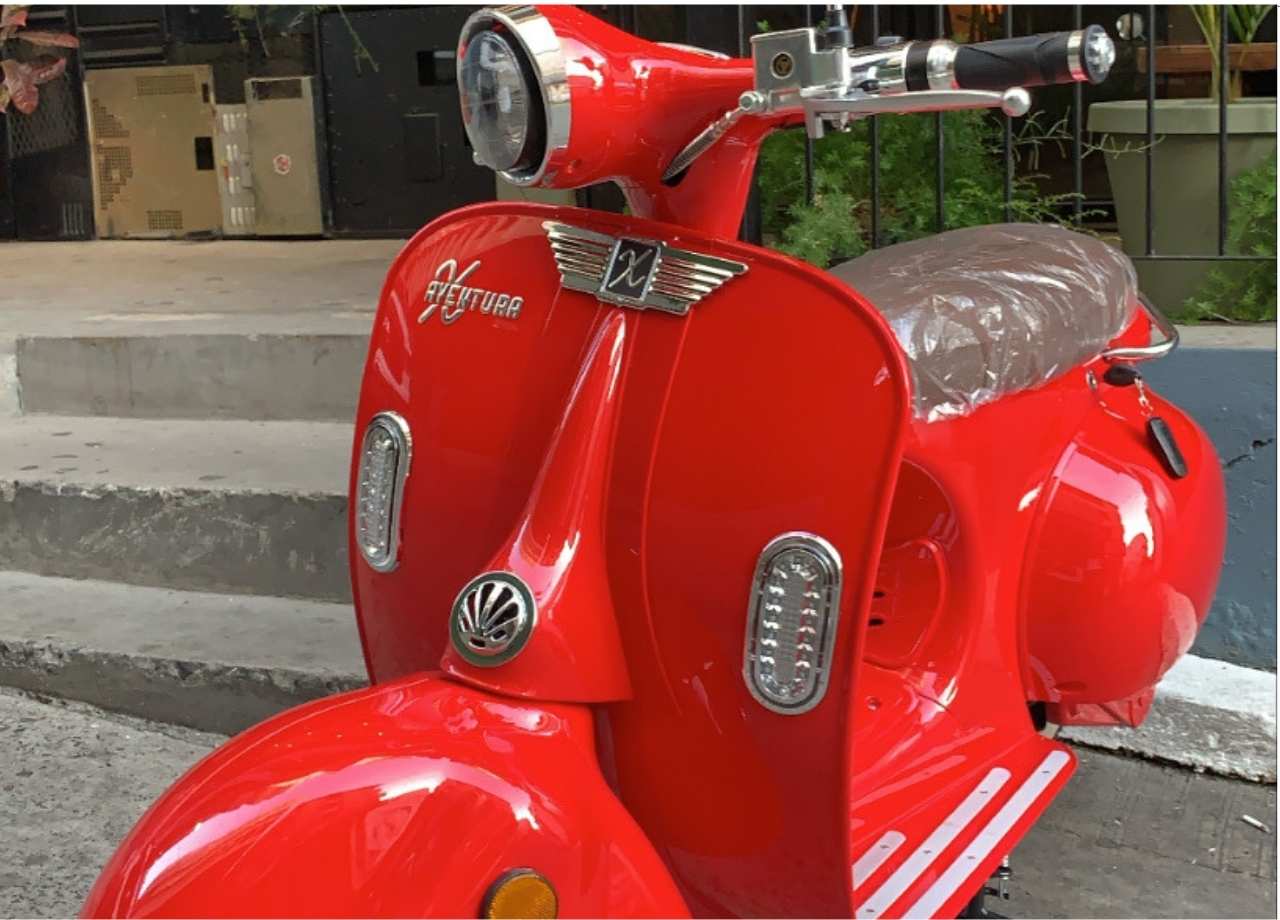
Make sure the tires are firm (especially if they’re air-filled) and the folding mechanism is locked in place. Don’t skip this part. A loose stem or wobbly handlebars can lead to problems once you’re moving.
If your scooter has riding modes (like eco, standard, and sport), start in the slowest one. Trust me, sport mode can wait.
Find a Quiet, Flat Place to Practice
Your first ride shouldn’t be during rush hour downtown or in the middle of a busy bike lane. Look for an empty parking lot, a quiet park path, or a wide residential sidewalk where you won’t feel rushed or self-conscious.
Start by placing one foot on the scooter deck and pushing off with your other foot—just like a regular kick scooter. Once you’re moving slightly, gently press the throttle to engage the motor. You don’t need to jam it down. A little pressure will give you smooth, manageable acceleration.
Get a feel for how the scooter responds to small throttle inputs, how quickly it slows when you let go, and how much pressure you need on the brakes to stop without jerking forward. Try coasting, accelerating, and gently braking several times in a row. You want this to feel like second nature before you’re navigating around people, curbs, or traffic.
Stance and Balance Matter More than You Think
Scooters don’t come with training wheels, but you don’t need gymnast-level balance to ride one. Your stance makes a huge difference, especially in stability and control.
Stand with your feet shoulder-width apart, with your front foot pointing forward and your back foot turned slightly sideways (think snowboarding or surfing). Keep your knees slightly bent and your body relaxed—not stiff. Don’t lean too far forward or back. You’re not trying to hoverboard. Center your weight over the deck and look ahead, not down.
Turning feels a little weird at first. You’re not steering like a car; you’re shifting your weight slightly and turning the handlebars gently. The faster you’re going, the less you should jerk the handlebars. Keep movements smooth and controlled.
Master Stopping and Starting before Hitting the Streets
Braking is the part most beginners underestimate. Don’t wait until you’re flying downhill toward a crosswalk to realize your brakes are either too mushy or too grabby. Practice gradual braking at different speeds so you know how long it takes you to stop.
Some scooters have regenerative braking, which slows you down when you let go of the throttle, and some have mechanical brakes—disc, drum, or even foot brakes. Learn what type yours has and how it feels when you stop from different speeds.
When you’re comfortable with starting, cruising, and stopping, practice quick stops and emergency maneuvers. Yes, it feels awkward at first, but knowing how to stop suddenly without panicking is something you’ll be thankful for in the real world.
Traffic Awareness and Scooter Etiquette
Once you’re ready to ride beyond your practice zone, keep your head on a swivel. Electric scooters are quiet, which means people don’t hear you coming. You need to be extra aware of pedestrians, bikes, and cars. Obey traffic rules. Stop at lights, yield when you’re supposed to, and don’t ride against traffic.

Use hand signals if your scooter doesn’t have turn indicators. And when passing someone, give a polite verbal cue like “on your left” or a bell ring. Don’t assume people will see or hear you.
Avoid sidewalks unless local rules say you can use them. Even then, ride slowly around pedestrians and be ready to stop.
Tips to Stay Safe and Confident
Here are a few things seasoned scooter riders wish they knew earlier:
- Wet roads = slippery rides. Be cautious on rainy days or right after it rains.
- Don’t try to carry heavy bags in one hand while riding. Use a backpack or scooter bag instead.
- Night riding? Use lights and reflective gear. Your scooter might have a headlight, but it doesn’t hurt to add a rear light or reflective vest.
- Watch for uneven pavement, potholes, or metal grates. These can throw off your balance fast.
- Don’t look at your phone while riding. Stop, check your map, then go.
Practice Breeds Confidence—and Enjoyment
The first time you ride, you’ll probably feel a mix of excitement and mild panic. That’s totally normal. Most people pick it up within 20-30 minutes of practice. The more you ride, the more confident and relaxed you’ll get. Soon, you’ll be cruising to the store, the park, or work without even thinking about it.
Electric scooters are fun, practical, and surprisingly freeing once you get the hang of it. If you’re nervous now, that’s just your brain trying to protect you from the unknown. Once it becomes familiar, that fear turns into flow.
So, take it slow. Gear up. Practice intentionally. And don’t stress the little wobbles. You’re not trying to look perfect—you’re learning something new. And that’s always worth doing.