


Used Electric Mopeds: What to Look For (And What to Run From)
Buying a used electric moped can feel a bit like dating after a breakup—you want something reliable, but you’re also carrying some baggage. Maybe it’s the budget that’s tighter than you’d like. Maybe it’s the guilt of choosing something less eco-friendly if you go with a gas-powered alternative. Or maybe you’ve had a not-so-great experience with used vehicles in the past—mystery noises, dead batteries, sellers who swore “it was running just fine yesterday.” You’re not looking for perfect. Just something trustworthy that won’t turn into a money pit two weeks in.
You’re not alone. More people are realizing that going electric doesn’t have to mean dropping thousands on a brand-new ride. Used electric mopeds are popping up in online marketplaces, local listings, and garage sales like mushrooms after rain. The tricky part? Knowing which ones are worth your time—and which ones are a hard no.
Let’s walk through what to actually look for when you’re shopping used, what should make you pause, and when you should straight-up walk away. No fluff, just real-world tips from someone who’s been in the used e-moped trenches.
Start With the Battery—It’s Everything
If the moped’s battery isn’t in decent shape, it doesn’t matter how pretty it looks or how cheap the price is. The battery is the most expensive component of an electric moped. Replacing it can cost almost as much as the bike itself, depending on the model.
Ask how old the battery is. Not just in years, but also in cycles—every full charge and discharge is one cycle. Most lithium-ion batteries used in mopeds are good for around 500 to 800 cycles before they start losing serious capacity. If the seller says it’s the original battery and the moped is over three years old, assume it’s well into its decline unless they can show proof of low mileage.
Watch out for vague answers like “still holds a charge” or “works fine.” Those don’t mean much. Try to test-ride it if possible. See how far it goes on a full charge, or at least how the battery behaves during use. If the percentage drops quickly just from a few blocks of riding, that’s a red flag.
Another thing—check if the battery is removable. If it is, ask to see it outside the frame. Look for swelling, corrosion, weird smells, or signs that someone tried to open it up. If the casing is cracked or tampered with, walk away.
Inspect the Charger and Charging Port
It sounds minor, but a broken or missing charger is more than just an inconvenience. Some chargers are proprietary and not easy to replace. Always confirm that the charger is included and functional.
Plug it in and see if the moped begins charging. Wiggle the connector a bit. If charging cuts out with even a small movement, the port or charger might be damaged. That’s either a repair bill or a scavenger hunt for replacement parts—neither of which is fun.
Frame and Suspension: More Than Just Looks
Even though electric mopeds don’t get as much engine-related wear and tear as gas ones, the frame still tells a story. Look for rust, especially around the welds and under the floorboard. Surface rust isn’t a deal-breaker, but structural rust is. If it looks like it spent a few winters outdoors, assume the elements have taken their toll.
Pay attention to the suspension. Push down on the front and rear—does it bounce back smoothly, or does it creak, clunk, or feel stiff? Replacing shocks isn’t impossible, but if multiple things are worn out, costs add up fast.
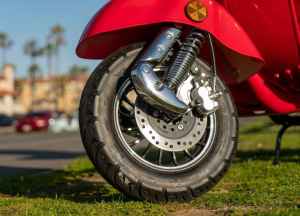
Also, check the kickstand and center stand if it has both. Bent or wobbly stands can be signs of hard drops or bad storage.
Tires, Brakes, and Other Wear Parts
These are wear-and-tear items, so don’t expect perfection—but they shouldn’t be shot either. Look at the tread on the tires. Bald or cracked rubber means you’ll need to budget for replacements soon.
Squeeze the brake levers. They should feel firm and responsive, not spongy or slack. If it has disc brakes, check for warping or deep grooves on the rotors. Brake pads are relatively cheap, but if the braking system as a whole seems neglected, it probably hasn’t been maintained well in general.
Check the lights and horn too. They’re required in most places for road legality, and while they’re usually easy to fix, broken lights can also indicate electrical issues.
Motor Noise (Or Lack of It)
Electric mopeds are usually quiet—really quiet. If the motor is making grinding noises, high-pitched whining, or any clunky sounds when accelerating, something’s off. That might be motor bearings or gearbox issues, depending on how it’s built. Either way, those aren’t cheap repairs.
Test ride it if you can. Feel for surging, jerking, or uneven power delivery. A smooth ride is a good sign that the motor and controller are in sync. Anything else suggests trouble brewing.
Ask About Storage and Usage Habits
A well-cared-for moped can stay in solid shape for years. One that was left outside through rain, snow, or direct sun? Not so much.
Ask the seller where and how they stored it. A garage or at least a covered area is ideal. Bonus points if they disconnected the battery during long periods of non-use, which helps preserve battery health.

Also ask why they’re selling. You don’t need their life story, but “upgrading” or “don’t need it anymore” is different from “battery won’t hold a charge” or “hasn’t run in months.”
Software and Display Panel Functionality
Many newer mopeds have digital displays or app connectivity. Check that the screen powers on and shows accurate information. Missing pixels, freezing, or failure to power up could point to internal issues.
If the moped pairs with a smartphone app, ask for a demo. Make sure it connects properly and the app recognizes the bike. A disconnected app could mean problems with the control unit or internal electronics.
Check the VIN or Serial Number (If It Has One)
Used electric mopeds are sometimes… let’s say, acquired under suspicious circumstances. Make sure it hasn’t been stolen. Ask to see any paperwork or a bill of sale from the original purchase if possible. If the seller gets weird about it or says they don’t have anything, that’s a red flag.
Some mopeds have a VIN (Vehicle Identification Number) or at least a serial number etched into the frame. Run that through your local registry or online stolen bike databases if you’re feeling cautious. Peace of mind is worth the extra five minutes.
Price: What’s Too Good to Be True?
Used electric mopeds vary wildly in price depending on age, condition, and specs. A good rule of thumb: if it’s selling for less than half of what it costs new, and it’s not at least three years old or clearly well-used, be skeptical. Nobody gives away a perfectly good e-moped unless there’s a catch.
On the flip side, don’t overpay for something just because it looks new. If the battery’s toast, you might still be spending hundreds more to make it usable again.
Red Flags That Should Make You Walk Away
- The seller refuses a test ride or won’t let you inspect the battery
- The battery has physical damage or swelling
- The moped powers off randomly or doesn’t charge reliably
- Strange noises from the motor or a jerky throttle response
- Missing charger or a charging port that looks damaged
- No paperwork or sketchy explanations about its history
Used electric mopeds can be a fantastic deal—but not every used one is worth the gamble. Trust your gut. If something feels off, there’s probably a better deal waiting for you elsewhere.
Final Thoughts
If you’re patient and ask the right questions, you can score a used electric moped that still has a lot of life left in it. It might not be showroom shiny. It might need a new set of tires or a fresh pair of brake pads. But if the bones are solid and the battery’s healthy, you’ve got the foundation for a low-cost, low-impact ride that’s easy on your wallet and the planet.
Just remember, you’re not just buying a scooter—you’re buying someone else’s choices. The better they treated it, the better it’ll treat you. And if you do end up with a bit of a fixer-upper? Well, that’s part of the journey too. Nothing wrong with a little hands-on learning along the ride.